Author: mukeshbishnoi

on

Introduction

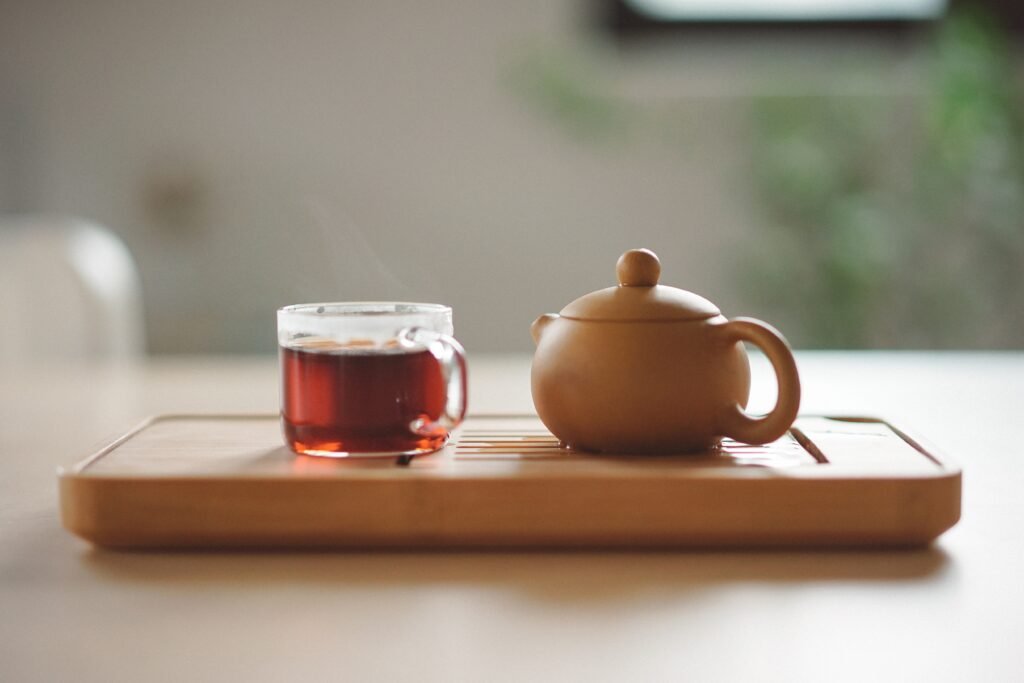
In the vast universe of teas, where black and green teas often steal the limelight, white tea stands as a delicate, lesser-known treasure. Originating from the leaves of the Camellia sinensis plant, white tea is celebrated for its subtle yet complex flavors and potential health benefits. Join us as we embark on a journey to discover the understated elegance of white tea, exploring its origins, varieties, brewing techniques, and the art of savoring this exceptional brew. White Tea: The Subtle Elegance of a Delicate Brew

White Tea

Unveiling the Origins

1. A Glimpse into History

White tea has a rich history dating back to ancient China, where it was reserved for emperors and the elite due to its rarity and intricate production process. The delicate leaves were considered a tribute to the emperor and a symbol of purity.

2. Originating in Fujian, China

Fujian Province, renowned for its tea production, is the birthplace of white tea. The province’s unique climate and soil conditions contribute to the exceptional quality of white Chai leaves.

The Exquisite Varieties

1. Silver Needle (Bai Hao Yin Zhen)

Known as the “Champagne of Teas,” Silver Needle consists of young, tender buds covered in fine, silvery hairs. It boasts a delicate and sweet flavor with subtle floral notes.

2. White Peony (Bai Mu Dan)

White Peony tea features both buds and leaves, offering a fuller flavor profile. It has a slightly stronger taste than Silver Needle, with a pleasant nutty undertone.

3. Tribute Eyebrow (Gong Mei)

Gong Mei tea comprises older leaves, resulting in a bolder and earthier taste. It’s a wonderful choice for those seeking a richer white Chai experience.

Health Benefits and Wellness

1. Rich in Antioxidants

White Chai is teeming with antioxidants, which play a crucial role in combating free radicals and promoting overall health.

2. Skin Health

The antioxidants in white Chai may contribute to healthy, radiant skin by protecting it from the effects of aging and UV damage.

3. Gentle Energy Boost

White Chai contains caffeine, but in milder amounts compared to black tea. It provides a gentle energy lift without the jitteriness often associated with coffee.

The Art of Brewing White Chai

Brewing white Chai requires finesse to unlock its delicate flavors:

  1. Ingredients: White Chai leaves, fresh water (around 175°F or 80°C), a teapot or gaiwan, and a teacup.
  2. Measure: Use approximately 1 teaspoon of white Chai leaves per 8 ounces of water.
  3. Brew Time: Steep for about 2-3 minutes to preserve its subtlety.
  4. Sip Slowly: Savor the gentle flavors with unhurried sips, allowing the tea to reveal its nuances.

The Subtle Beauty

White Chai is celebrated not only for its taste but also for the calming and meditative experience it offers. It’s an invitation to slow down and appreciate the quiet beauty of each moment.

Conclusion

White Chai, with its intricate history, exquisite varieties, and potential health benefits, embodies a subtle elegance that transcends the ordinary. Whether you’re a seasoned tea enthusiast or a newcomer to the world of teas, white Chai promises a tranquil and rewarding journey.

FAQs

1. Does white Chai contain caffeine?

  • Yes, white Chai contains caffeine, but in milder amounts compared to black tea or coffee.

2. Can white Chai be flavored with additives?

  • While it’s possible, many tea connoisseurs prefer to enjoy white Chai in its natural state to savor its delicate flavors.

3. How does white Chai compare to green tea?

  • White Chai is less processed than green tea, which gives it a subtler flavor and lighter color.

4. Can I re-steep white Chai leaves?

  • Yes, white Chai leaves can often be re-steeped multiple times, each infusion offering a unique taste.

5. Where can I purchase authentic white Chai?

  • Look for reputable tea shops or online retailers specializing in high-quality white teas.

Contact Details:- 9499347308

Visit Our Site:-zirconshop.in

Official YouTube Channel For Business :- Zircon Blogs

on

Introduction

Oolong tea, often referred to as the “champagne of teas,” offers a captivating journey for tea enthusiasts. With its unique taste profile, extensive variety, and potential health benefits, oolong tea has earned a special place in the hearts of tea connoisseurs worldwide. Join us as we embark on a flavorful exploration of oolong tea, delving into its origins, diverse types, brewing techniques, and the art of savoring this exceptional brew.

Oolong Tea

Unveiling the Origins

1. A Tale of Ancient China

Oolong tea has its roots deeply intertwined with Chinese tea history. Legend has it that the discovery of oolong tea occurred by accident when a tea farmer was distracted by a deer while processing his tea leaves. The leaves began to oxidize, leading to a unique flavor that we now associate with oolong.

2. Fujian and Taiwan

Fujian province in China and Taiwan are renowned for their oolong tea production. Each region offers distinct oolong varieties influenced by local terroir and craftsmanship.

The Fascinating Types

1. Tie Guan Yin

Tie Guan Yin, also known as Iron Goddess of Mercy, is a revered oolong variety celebrated for its floral aroma and light, refreshing taste. Its name carries a legend of a compassionate goddess, adding to its allure.

2. Da Hong Pao

Da Hong Pao, or Big Red Robe, is a highly prized oolong known for its bold and robust flavor with hints of roasted nuts and caramel. It’s considered one of the finest oolongs in the world.

3. High Mountain Oolongs

Taiwan’s high mountain oolongs, grown at elevations above 3,000 feet, are celebrated for their complex flavors, floral notes, and creamy mouthfeel. They offer a truly exquisite tea experience.

The Health Benefits

1. Antioxidant Richness

Oolong tea is packed with antioxidants, which help combat free radicals and promote overall health. These antioxidants may contribute to reducing the risk of chronic diseases.

2. Weight Management

Some studies suggest that oolong tea may aid in weight management by boosting metabolism and promoting fat oxidation.

3. Mental Alertness

Oolong Chai contains caffeine, which provides a gentle energy boost and enhances mental alertness without the jitteriness associated with coffee.

The Art of Brewing Oolong Chai

Brewing oolong Chai is an art form that requires precision to unlock its full potential:

  1. Ingredients: Oolong Chai leaves, fresh water (around 185-205°F or 85-96°C), a teapot or gaiwan, and a teacup.
  2. Measure: Use approximately 1 teaspoon of oolong Chai leaves per 8 ounces of water.
  3. Brew Time: Steep for about 3-5 minutes for lighter oolongs and 5-7 minutes for darker ones.
  4. Appreciate: Take your time to savor the evolving flavors and aroma with each infusion.

The Poetry of Oolong

Oolong Chai is often compared to poetry—a symphony of flavors, aromas, and colors that unfolds with each sip. It’s an invitation to slow down, appreciate the moment, and engage the senses fully.

Conclusion

Oolong Chai, with its diverse varieties, rich history, and potential health benefits, embodies the essence of tea culture. Whether you’re seeking a bold and robust cup or a delicate and floral infusion, oolong Chai offers a fascinating journey through the world of flavors.

FAQs

1. Does oolong Chai contain caffeine?

  • Yes, oolong Chai contains caffeine, but the levels vary depending on the type and processing.

2. Can oolong Chai be re-steeped?

  • Absolutely! Oolong Chai leaves can often be re-steeped multiple times, with each infusion offering a unique taste.

3. How does oolong Chai compare to green tea?

  • Oolong Chai is partially oxidized, giving it a flavor profile that falls between green and black tea.

4. Where can I purchase authentic oolong Chai?

  • Look for reputable tea shops or online retailers specializing in high-quality oolong teas.

5. Can I add milk and sugar to oolong Chai?

  • While it’s possible, many oolong enthusiasts prefer to enjoy its natural flavors without additives.

Contact Details:- 9499347308

Visit Our Site:-zirconshop.in

Official YouTube Channel For Business :- Zircon Blogs

on

In a world where health-conscious choices are becoming increasingly important, green tea has emerged as a beloved beverage and a symbol of wellness. This article explores the many facets of green tea, from its origins to its potential health benefits, and why it has captured the hearts and taste buds of millions worldwide.

Green Tea

Unveiling the Origins of Green Tea

The Ancient Beginnings

Green tea finds its roots in ancient China, where it has been cultivated and consumed for over 4,000 years. It was initially used for its medicinal properties before evolving into a popular beverage.

Cultivation and Varieties

Discover the meticulous process of growing and harvesting green tea leaves and the different varieties available, such as matcha and sencha.

The Science Behind Green Tea

Powerful Antioxidants

Learn about the rich source of antioxidants in green tea, particularly epigallocatechin gallate (EGCG), and their role in promoting health.

Boosting Metabolism

Explore how green tea can aid in weight management by increasing metabolism and aiding in fat oxidation.

Brain Health

Discover how the combination of caffeine and L-theanine in green tea can enhance brain function, improving mood and cognitive performance.

Heart Health

Investigate the potential benefits of green tea in reducing the risk of cardiovascular diseases by lowering bad cholesterol and blood pressure.

The Green Chai and Weight Loss Connection

Busting the Myth

Separate fact from fiction regarding green tea’s role in weight loss and understand how it can be a valuable addition to a balanced diet and exercise regimen.

Metabolic Benefits

Delve into studies suggesting that green Chai extract can aid in fat burning and its potential as a natural supplement for weight management.

Sip Your Way to a Healthier You

Incorporating Green Chai into Your Daily Routine

Get practical tips on how to include green Chai in your daily life, from brewing the perfect cup to using it in culinary delights.

Potential Side Effects

Learn about the potential side effects and precautions associated with green Chai consumption, particularly for individuals sensitive to caffeine.

Conclusion

In a world filled with sugary drinks and caffeine-loaded options, green Chai stands as a natural, wholesome choice that not only quenches your thirst but also provides an array of potential health benefits. Whether you’re sipping it for its antioxidants, metabolism-boosting properties, or simply its delightful flavor, green tea has something to offer everyone on their journey to better health.

FAQs

  1. How Much Green Chai Should I Drink Per Day to Get the Health Benefits? For most adults, consuming 2-3 cups of green Chai a day is considered a healthy amount.
  2. Is green Chai suitable for people with caffeine sensitivity? While green Chai contains less caffeine than coffee, it’s not entirely caffeine-free. If you’re sensitive to caffeine, consider decaffeinated green Chai options.
  3. Can green Chai Is there any age restriction for drinking green Chai? Green Chai is generally safe for most age groups, but it’s best to consult with a healthcare professional for specific concerns, especially for children and pregnant women.
  4. replace my regular coffee for an energy boost? Yes, green Chai can provide a milder caffeine boost and offer additional health benefits compared to coffee.
  5. What’s the best way to brew green Chai to preserve its antioxidants? To maximize antioxidant retention, brew green Chai with water that’s slightly below boiling temperature (about 175°F or 80°C) and steep for 2-3 minutes.
  6. Is there any age restriction for drinking green Chai? Green Chai is generally safe for most age groups, but it’s best to consult with a healthcare professional for specific concerns, especially for children and pregnant women.

Incorporate the goodness of green Chai into your daily routine, and you’ll not only be savoring a delightful beverage but also potentially enhancing your overall well-being.

Contact Details:- 9499347308

Visit Our Site:-zirconshop.in

Official YouTube Channel For Business :- Zircon Blogs

on

In the world of tea, there’s a category that stands out for its rich history, meticulous craftsmanship, and exceptional flavor – Orthodox Tea. Join us on a delightful journey through the fascinating world of Orthodox Tea, where tradition meets taste, and every sip is a celebration of time-honored artistry.

Unveiling the Essence of Orthodox Tea

What is Orthodox Tea?

Discover what sets Orthodox Tea apart from other tea varieties and why it’s cherished by connoisseurs worldwide.

A Tradition Rooted in History

Explore the origins of Orthodox Tea and its historical significance, dating back to the 19th century.

The Art of Hand-Plucking

Learn about the intricate process of hand-plucking tea leaves, a practice that defines the authenticity of Orthodox Tea.

The Role of Terroir

Understand how the unique characteristics of the tea-growing region, or terroir, influence the flavor and aroma of Orthodox Tea.

The Craftsmanship Behind Orthodox Tea

Withering and Oxidation

Uncover the delicate balance between withering and oxidation that gives Orthodox Chai its distinctive taste profiles.

Rolling and Shaping

Dive into the art of rolling and shaping tea leaves, where skilled hands transform them into exquisite forms.

Fermentation and Drying

Learn how controlled fermentation and drying processes further enhance the flavors and aromas of Orthodox Chai.

The Art of Blending

Explore the expertise required to create unique blends of Orthodox Chai, catering to diverse palates.

The Diverse World of Orthodox Chai

Types of Orthodox Chai

Discover the various types of Orthodox Chai, including Black, Green, White, and Oolong, each with its own character and charm.

Health Benefits

Explore the potential health benefits of Orthodox Chai, from antioxidants to improved digestion and mental clarity.

Orthodox Chai Culture

Delve into the cultural significance of Orthodox Chai in countries like China, India, and Sri Lanka.

Savoring the Perfect Cup

Brewing Rituals

Learn the art of brewing Orthodox Chai, from water temperature and steeping times to teapot selection.

Tasting Notes

Explore the tasting notes of different Orthodox Chai varieties and how to appreciate their unique flavors.

Conclusion

Orthodox Chai is not just a beverage; it’s a testament to centuries-old traditions and craftsmanship. Each sip of Orthodox Chai carries with it the essence of history, culture, and the dedication of those who bring it to life. So, whether you’re a tea enthusiast or a curious novice, dive into the world of Orthodox Chai, and let its flavors transport you to a bygone era.

FAQs

  1. Is Orthodox Chai caffeine-free like herbal teas? No, Orthodox Chai typically contains caffeine, but the caffeine content varies depending on the type and brewing method.
  2. What is the best time of day to enjoy Orthodox Chai? Orthodox Black Teas are often enjoyed in the morning, while Green and White Teas are suitable for throughout the day. However, personal preference plays an important role.
  3. Can I add milk and sugar to Orthodox Chai, like with Black Tea? Yes, you can add milk and sugar to Orthodox Black Tea, but it’s not a common practice with Green or White Orthodox Teas.
  4. Are there any special teapots or tools required for brewing Orthodox Chai? While specialized teapots can enhance the experience, you can brew Orthodox Chai with standard teapots or infusers.
  5. What’s the shelf life of Orthodox Chai, and how should it be stored? Properly stored in an airtight container away from light and moisture, Orthodox Chai can stay fresh for up to two years or longer, depending on the type.

Intricate, flavorful, and steeped in tradition, Orthodox Chai is a beverage that beckons you to explore its world. So, embark on this tea adventure and savor the elegance and charm that only Orthodox Chai can offer.

Contact Details:- 9499347308

Visit Our Site:-zirconshop.in

Official YouTube Channel For Business :- Zircon Blogs