Category: Tea Business Blog

on

Yellow tea, often referred to as the “rare gem” of the tea world, boasts a unique profile that sets it apart from other tea types. With its subtle flavors, intricate processing, and storied history, yellow tea is a delight to both novice and experienced tea enthusiasts. In this article, we delve into the captivating world of yellow tea, unraveling its characteristics, production techniques, and how to savor its finest qualities. Unveiling the Delicate Charms: Exploring the Characteristics of Yellow Tea
Characteristics of Yellow Tea

Introduction

Discover the world of yellow tea, an elegant and refined member of the tea family.

Yellow Tea: A Brief Overview

Distinctive Processing Method

Yellow tea’s unique characteristics stem from its meticulous and intricate processing, which differentiates it from other tea types.

Characteristics of Yellow Tea

Subtle and Complex Flavors

Yellow tea’s flavor profile is known for its delicate, nuanced, and multi-layered qualities.

Delicate Aroma

The aroma of yellow tea is often compared to the fresh scent of flowers, grass, or even a hint of fruitiness.

Smooth and Mellow Texture

Yellow tea delivers a smooth and mellow mouthfeel that is both comforting and soothing.

Light and Pale Liquor

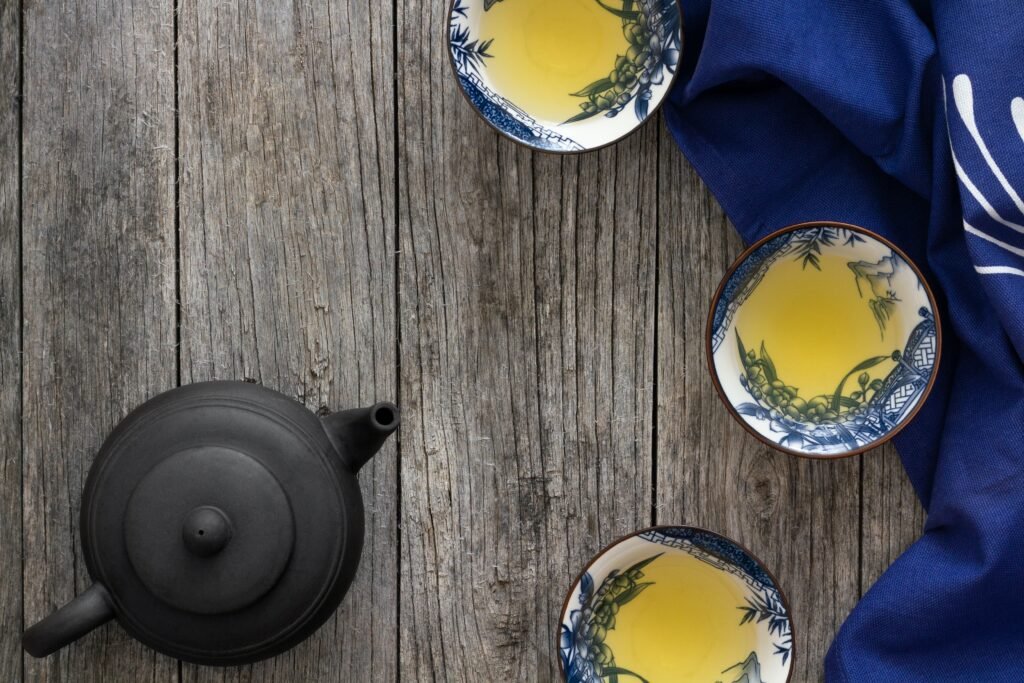
The liquor of yellow tea exhibits a pale, yellowish hue that is visually inviting and soothing.

Production Process: Crafting Elegance

Withering: An Essential Step

Withering reduces the moisture content of the leaves, preparing them for subsequent processing.

Fixation: Preserving Freshness

Fixation halts oxidation, preserving the natural freshness and color of the leaves.

Yellowing: The Transformation

Yellowing is the unique step that gives yellow tea its distinct characteristics and name.

Drying: Sealing the Aromas

Drying completes the tea’s transformation, ensuring the flavors and aromas are locked in.

Varieties of Yellow Tea

Junshan Yinzhen: Silver Needle of Junshan

Discover the elegance of Junshan Yinzhen, a rare yellow tea made exclusively from tender buds.

Huoshan Huangya: Yellow Bud

Explore the rich history and gentle flavors of Huoshan Huangya, a classic yellow tea.

Mengding Huangya: Golden Sprout

Mengding Huangya delights with its bright color and delightful taste, embodying the essence of yellow tea.

Brewing and Savoring Yellow Tea

Water Temperature and Steeping Time

Mastering the brewing process enhances the delicate flavors of yellow tea.

Appreciating the Subtleties

Savor each sip mindfully, allowing the layers of flavors to reveal themselves.

Health Benefits of Yellow Tea

Antioxidant Richness

Yellow tea’s antioxidants contribute to overall health and well-being.

Gentle Caffeine Boost

Enjoy a gentle caffeine lift without the jitters associated with other caffeinated beverages.

Yellow Tea Myths and Facts

Myth: Yellow Tea is Rarely Found

Contrary to popular belief, yellow tea has a rich history and a dedicated following.

Fact: Nurturing a Centuries-Old Tradition

Yellow tea has been cultivated and appreciated for centuries, adding to its allure.

Conclusion

The art of crafting and savoring yellow tea opens the door to a world of subtle complexities and sensory delights.

FAQs

  1. Is yellow tea only made from buds?
    • No, while many yellow teas are made from buds, some varieties also use leaves.
  2. Can I add milk or sweeteners to yellow tea?
    • It’s generally recommended to savor yellow tea without milk or sweeteners to fully appreciate its flavors.
  3. Can yellow tea be re-steeped?
    • Yes, many yellow teas can be re-steeped multiple times, each infusion revealing different layers of taste.
  4. Does yellow tea have a high caffeine content?
    • Yellow tea contains moderate caffeine levels, providing a gentle energy boost without the intensity of coffee.
  5. Can I pair yellow tea with food?
    • Yes, the delicate flavors of yellow tea make it an excellent companion to light dishes and desserts.

Contact Details:- 9499347308

Visit Our Site:-zirconshop.in

Official YouTube Channel For Business :- Zircon Blogs

on

Tea has been cherished for centuries as a beverage that not only tantalizes the taste buds but also offers a range of health benefits. Among the many types of tea available, one that’s gaining attention for its distinctive qualities is purple tea. In this article, we’ll delve into the intriguing world of purple tea, uncovering its origins, flavor profiles, health advantages, and brewing techniques. Characteristics of Purple Tea: Exploring the Uniqueness of a Rare Tea Variety.

Characteristics of Purple Tea:

1. Introduction

Purple tea, an emerging player in the world of specialty tea, holds the promise of a unique sensory experience. This article aims to unveil the captivating characteristics that set purple tea apart from its green, black, and oolong counterparts.

2. Origins and Cultivation of Purple Tea

Originating in the misty hills of Kenya, purple tea is a relatively recent discovery. Its cultivation techniques have evolved to maximize its striking color and exceptional qualities, making it a prized addition to the tea family.

3. The Science Behind the Purple Leaves

The distinctive purple hue of the tea leaves is a result of high anthocyanin content. These natural compounds not only contribute to the color but also lend purple tea its potential health benefits.

4. Flavor Palette of Purple Tea

Purple tea offers a delightful blend of floral, fruity, and earthy notes. Its complexity of flavors unfolds with each steeping, providing an exciting journey for tea enthusiasts’ taste buds.

5. Health Benefits of Purple Tea

Rich in antioxidants, vitamins, and minerals, purple tea presents a range of health benefits. From boosting immunity to promoting heart health, its unique nutritional profile makes it a valuable addition to a wellness-focused lifestyle.

6. Brewing Perfect Purple Tea

Brewing purple tea requires attention to detail. From water temperature to steeping time, mastering the art of brewing ensures that the full spectrum of flavors is captured in every cup.

7. Purple Tea vs Other Tea Varieties

In comparison to traditional tea varieties, purple tea stands out due to its unique color, flavor, and health properties. Its emergence has piqued the curiosity of tea enthusiasts worldwide.

8. Exploring Unique Purple Tea Blends

Tea artisans have begun experimenting with blending purple tea with other herbs and botanicals, creating a fusion of flavors that push the boundaries of traditional tea blends.

9. Purple Tea and Sustainability

The sustainable cultivation practices of purple tea align with the growing consumer demand for eco-friendly products. Its cultivation helps support local communities while respecting the environment.

10. Purple Tea in Culinary Delights

Purple tea is not limited to a steeped beverage. Chefs and culinary enthusiasts are exploring its potential in both sweet and savory dishes, adding a unique twist to gourmet creations.

11. Preserving Purple Tea’s Elegance

Proper storage and handling are essential to maintain purple tea’s vibrant color and nuanced flavors. Protecting it from light, air, and humidity ensures a premium tea experience.

12. The Myth and Magic of Purple Tea

Throughout history, purple has been associated with mystery and royalty. Purple tea’s alluring color adds an element of enchantment to its consumption.

13. A Glimpse into Purple Tea Culture

Purple tea is not only about taste; it’s also about cultural significance. Exploring the cultural practices surrounding its consumption provides insight into its importance in various societies.

14. Purple Tea’s Rise in Popularity

The global interest in unique and healthful beverages has contributed to the rise of purple tea’s popularity. Its allure lies in its rarity, flavor, and potential health benefits.

15. Conclusion

In a world where tea is more than just a beverage, purple tea emerges as a compelling and distinct choice. Its intriguing origins, captivating flavors, and potential health advantages make it an exciting addition to the spectrum of teas available. As you sip a cup of purple tea, you’re not just indulging in a drink – you’re embarking on a sensory journey that connects you to the traditions of the past while embracing the innovations of the present.

FAQs

  1. Can I find purple tea in local stores?Purple tea’s availability varies, but it’s becoming more accessible as its popularity grows.
  2. Does purple tea contain caffeine?Yes, purple tea contains caffeine, but typically less than black tea.
  3. Is purple tea suitable for blending with other teas?Purple tea‘s unique flavors can complement other teas, adding an interesting twist to blends.
  4. How do I know if I’m brewing purple tea correctly?Experiment with different steeping times and water temperatures to find the balance that suits your taste preferences.
  5. Is purple tea suitable for all occasions?Purple tea’s vibrant color and nuanced flavors make it suitable for both casual sipping and special occasions.

Contact Details:- 9499347308

Visit Our Site:-zirconshop.in

Official YouTube Channel For Business :- Zircon Blogs

on

Nestled in the heart of the Indian Ocean, Sri Lanka is a paradise not only known for its stunning landscapes but also for its rich and diverse tea culture. With its lush plantations and favorable climate, Sri Lanka produces a wide array of tea varieties that cater to different tastes and preferences. In this article, we’ll take you on a journey through the captivating world of tea in Sri Lanka, exploring its various types and the unique characteristics that make each cup a delightful experience.

Types of Tea in Sri Lanka

Introduction to Sri Lankan Tea Heritage

Sri Lanka, known historically as Ceylon, has a rich and storied heritage in the world of tea. The country’s geographical diversity, ranging from highland mountains to coastal plains, provides an ideal environment for cultivating various tea types, each with its unique flavor and aroma.

The Art of Tea Cultivation and Processing

The journey of tea begins with cultivation. Tea bushes thrive in Sri Lanka’s tea estates, where meticulous care is taken to nurture them. The leaves are carefully plucked, and the processing method varies based on the desired tea type, preserving the innate qualities of the leaves.

Black Tea: A Flavorful Classic

Black tea takes center stage in Sri Lanka’s tea production. Renowned as Ceylon tea, it offers a spectrum of flavors, from brisk and bold to sweet and mellow. The tea’s oxidation process imparts rich color and robust taste, making it a favorite for morning cups.

Green Tea: A Healthful Elixir

Green tea, celebrated for its health benefits, is gaining popularity in Sri Lanka. The leaves are minimally processed, preserving their natural antioxidants. The resulting brew offers a delicate taste and a range of potential health perks.

White Tea: The Epitome of Elegance

White tea represents the pinnacle of refinement. It’s made from tender young leaves and buds, with minimal processing. The light infusion captures the essence of the tea bush, creating a subtle and nuanced experience.

Oolong Tea: The Harmony of Tradition and Innovation

Oolong tea bridges the gap between black and green tea. Its partial oxidation process results in a diverse range of flavors, from floral and fruity to toasty and complex. Oolong tea embodies the balance of tradition and innovation.

Herbal Infusions: Beyond Traditional Tea Leaves

Beyond traditional tea, Sri Lanka boasts a vibrant herbal tea culture. Infusions crafted from herbs, spices, and fruits offer an array of aromatic and flavorful beverages that cater to different tastes and preferences.

Specialty and Blended Teas

Sri Lanka’s tea artisans create specialty and blended teas that combine different tea types, flavors, and ingredients. These unique blends cater to diverse palates and offer a fresh perspective on tea enjoyment.

Exploring Tea Grading and Quality

Tea in Sri Lanka undergoes meticulous grading based on factors like leaf size and quality. This grading system ensures that consumers can choose teas that align with their preferences, whether they seek boldness or subtlety.

Brewing Techniques for Sri Lankan Teas

Each tea type requires specific brewing techniques to maximize its flavors. From water temperature to steeping duration, these details play a crucial role in delivering the perfect cup of Sri Lankan tea.

The Global Appeal of Sri Lankan Tea

Sri Lankan tea holds a significant place in the global tea market. Its quality, diversity, and rich history attract tea enthusiasts worldwide, making it a staple in households and tea shops alike.

Tea’s Cultural and Social Significance

Tea is more than just a beverage in Sri Lanka; it’s woven into the fabric of daily life. From familial gatherings to cultural ceremonies, tea holds a special place in the country’s social and cultural traditions.

Sustainability and Ethical Tea Practices

Sri Lanka’s tea industry is increasingly embracing sustainability and ethical practices. Efforts are made to ensure that tea cultivation supports local communities, preserves the environment, and promotes fair labor practices.

Innovations in Sri Lankan Tea Industry

Innovation is shaping the future of Sri Lanka’s tea industry. From technological advancements to creative blending techniques, the industry is adapting to evolving consumer preferences.

FAQs About Tea in Sri Lanka

  1. What makes Ceylon tea unique compared to other black teas? Ceylon tea’s diversity of flavors, ranging from light and floral to bold and robust, sets it apart.
  2. Can herbal infusions from Sri Lanka offer health benefits? Yes, herbal infusions crafted from Sri Lankan herbs and spices can offer various potential health perks.
  3. Are there sustainable certifications for Sri Lankan teas? Yes, Sri Lankan teas can carry certifications that validate their sustainability and ethical practices.
  4. Can I visit Sri Lanka’s tea estates and plantations? Absolutely! Many tea estates offer guided tours that allow visitors to experience the tea-making process firsthand.
  5. How has Sri Lanka’s tea industry adapted to changing consumer preferences? Sri Lanka’s tea industry has embraced innovation, introducing new blends, flavors, and packaging to cater to modern tastes.

Conclusion

Sri Lanka’s tea landscape is a testament to the country’s dedication to quality and innovation. From the lush hills to the bustling markets, the journey of tea in Sri Lanka is a blend of tradition, culture, and the pursuit of excellence. As tea enthusiasts continue to explore the diverse types of tea offered by the island, they embark on a sensory adventure that connects them to the heart of Sri Lanka’s tea heritage.

Contact Details:- 9499347308

Visit Our Site:-zirconshop.in

Official YouTube Channel For Business :- Zircon Blogs

on

Introduction

Tea, a beloved beverage around the world, has evolved far beyond the traditional green and black varieties. One such evolution is the emergence of purple tea. In this blog, we’ll dive deep into the world of purple tea, exploring its origin, unique characteristics, health benefits, and why it’s gaining popularity among tea enthusiasts. Purple Tea: A Flavorful Twist in the World of Tea.

Purple Tea

The Origin Story

Purple tea, also known as anthocyanin-rich tea, hails from the lush tea gardens of Kenya, specifically the regions around Mount Kenya. Its unique purple appearance is due to the presence of anthocyanins, which are antioxidants responsible for the purple and reddish hues in various plants.

What Sets Purple Tea Apart?

1. Striking Appearance

The most apparent feature of purple tea is its vibrant purple leaves. This distinctive color is not only visually appealing but also a sign of its abundant antioxidants.

2. Flavor Profile

Purple tea boasts a mild and sweet flavor with earthy undertones. Unlike its green and black counterparts, it lacks the bitterness often associated with traditional teas.

3. Antioxidant Powerhouse

Purple tea is a treasure trove of antioxidants, particularly anthocyanins. These antioxidants are known for their potential health benefits, including reducing oxidative stress and inflammation.

Health Benefits

1. Antioxidant Protection

The high anthocyanin content in purple Chai helps combat free radicals, reducing the risk of chronic diseases and supporting overall health.

2. Weight Management

Some studies suggest that purple Chai may aid in weight management by enhancing metabolism and fat oxidation.

3. Heart Health

The antioxidants in purple Chai are believed to promote cardiovascular health by reducing the risk of heart disease and improving cholesterol levels.

4. Digestive Health

Purple tea’s gentle flavor makes it a soothing choice for those with digestive sensitivities, helping to ease discomfort.

Brewing and Enjoying Purple Chai

Brewing purple Chai is similar to other types of tea. Here’s a quick guide:

  1. Ingredients: Purple Chai leaves, hot water (around 185°F or 85°C), and a teapot or infuser.
  2. Measure: Use approximately 1 teaspoon of purple Chai leaves per 8 ounces of water.
  3. Brew Time: Steep for about 3-4 minutes for a mild flavor.
  4. Enjoy: Sip and savor the unique taste and potential health benefits.

The Popularity Surge

In recent years, purple Chai has gained attention not only for its distinctiveness but also for its health-promoting properties. The rise in its popularity can be attributed to the following reasons::

  • Health-Conscious Consumers: People are increasingly seeking healthier beverage alternatives, making purple Chai an attractive choice.
  • Tea Industry Innovation: The tea industry is continually evolving, introducing novel teas to cater to diverse tastes.
  • Word of Mouth: As more individuals try and enjoy purple Chai, they share their positive experiences with others, driving its popularity.

Conclusion

Purple Chai, with its striking appearance, unique flavor, and potential health benefits, offers a delightful twist in the world of tea. Whether you’re a seasoned tea enthusiast or a newcomer, exploring the world of purple Chai is a journey worth taking. Embrace the rich flavors and potential health perks of this extraordinary brew.

FAQs

1. Is purple tea caffeine-free?

  • No, purple Chai contains caffeine, but the levels are generally lower than in black tea.

2. Can I add milk and sugar to purple Chai?

  • Yes, you can, but many enjoy its natural sweetness without the need for additives.

3. Where can I purchase purple tea?

  • You can find purple Chai online or at specialty tea shops.

4. Are there different varieties of purple Chai?

  • Yes, there are different cultivars, each with its unique flavor profile.

5. Can I use purple Chai for iced tea?

  • Absolutely! Purple Chai makes a refreshing iced tea with its mild flavor and striking color.

Contact Details:- 9499347308

Visit Our Site:-zirconshop.in

Official YouTube Channel For Business :- Zircon Blogs