Category: Tea Business Blog

on

Tea, a beverage cherished for its diverse flavors and rich history, begins its journey from a humble source: the tea seed. In this article, we delve into the captivating world of tea seeds, exploring their significance, cultivation, and the role they play in shaping the myriad of tea varieties we savor today. Tea Seed: The Beginnings of a Flavorful Journey
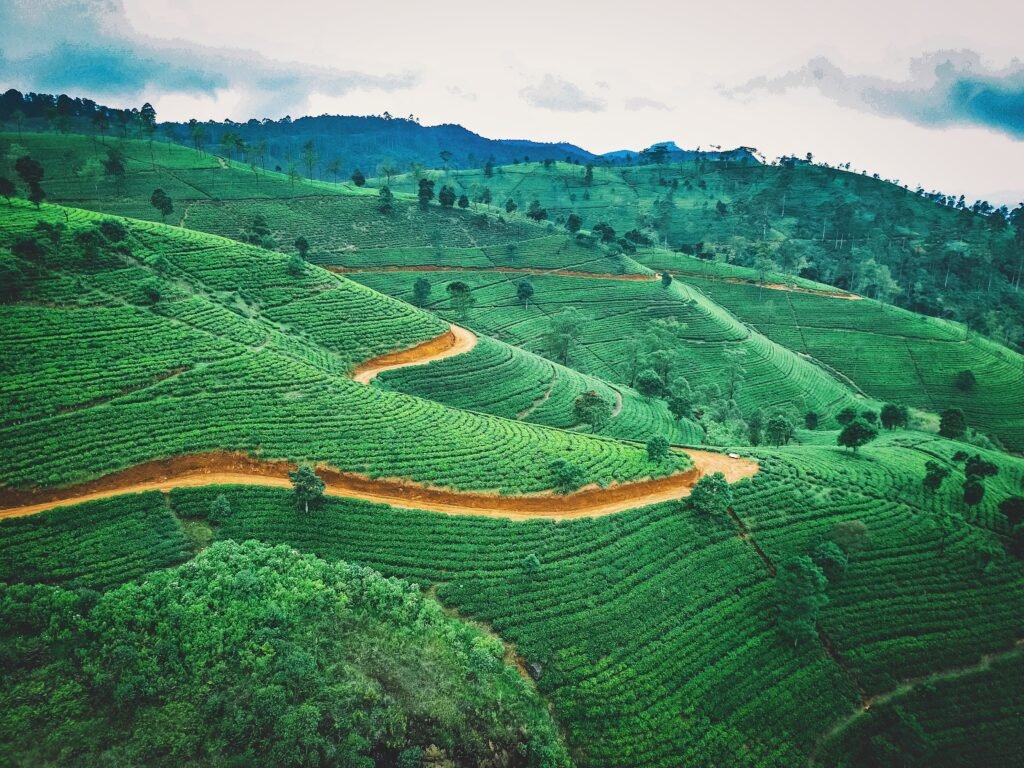
Tea Seed

Introduction: The Seed’s Role in Tea’s Story

The tea seed, a tiny yet essential entity, lays the foundation for the intricate flavors and aromas of the tea we cherish.

From Seed to Sapling: The Art of Tea Seed Cultivation

Tea seed cultivation involves planting seeds, nurturing young saplings, and eventually transplanting them to tea gardens.

Nurturing Growth: Ideal Conditions for Tea Seed Germination

Proper moisture, temperature, and light are crucial factors for successful tea seed germination.

Varietal Diversity: How Different Tea Seeds Shape Unique Teas

Distinct tea varieties result from the unique genetic makeup of different tea seeds, leading to a plethora of flavors and characteristics.

The Seed’s Chemistry: Influence on Flavor and Aroma

The chemical composition of tea seeds contributes to the nuanced flavors, aromas, and even health benefits of the brewed tea.

Challenges in Cultivation: Overcoming Obstacles to Tea Seed Growth

Pests, diseases, and unfavorable weather conditions pose challenges to cultivating healthy tea seeds.

The Seed’s Resilience: Adaptations to Varying Climates

Tea seeds have evolved to thrive in diverse climates, from the high altitudes of mountains to the tropical plains.

Propagation Techniques: The Path to Successful Tea Seedlings

Methods such as seed scarification and stratification enhance the germination rate and success of tea seedlings.

Cultivating Excellence: Selecting the Right Seeds for Quality Teas

Tea growers carefully select seeds with desired traits, like flavor, aroma, and growth patterns, to produce high-quality teas.

Beyond the Cup: Non-Culinary Uses of Tea Seeds

Tea seeds find applications beyond tea production, such as in oil extraction and traditional medicine.

The Science of Preservation: Storing Tea Seeds for Future Generations

Conservation efforts include storing tea seeds in seed banks to maintain genetic diversity and protect against extinction.

Cultivating Sustainability: Ethical Practices in Tea Seed Harvesting

Responsible harvesting practices ensure the longevity of tea trees and the preservation of natural ecosystems.

FAQs About Tea Seeds: Answers to Your Curiosities

1. Can tea seeds be consumed directly? While tea seeds can be consumed, they contain compounds that may be toxic in large quantities. It’s advisable to avoid excessive consumption.

2. How long does it take for a tea seed to grow into a mature tea plant? From germination to a mature plant suitable for harvesting leaves, it typically takes several years, depending on the tea variety and growing conditions.

3. Are there different types of tea seeds for different types of tea? Yes, various tea varieties, such as Camellia sinensis var. sinensis and Camellia sinensis var. assamica, have distinct seeds that contribute to the unique characteristics of the tea they produce.

4. Can tea seeds be used to propagate tea plants commercially? Yes, tea seeds are commonly used for commercial propagation to establish new tea plantations or replace older plants.

5. What is the significance of genetic diversity in tea seeds? Genetic diversity ensures resilience against diseases, pests, and changing environmental conditions, ultimately contributing to the sustainability of tea cultivation.

Contact Details:- 9499347308
Visit Our Site:-zirconshop.in

Official YouTube Channel For Business :- Zircon Blogs

on

Tea, an ancient and beloved beverage, undergoes a fascinating journey of transformation before it reaches our cups. In this article, we dive into the intricate process of tea manufacturing, exploring each step involved in turning fresh tea leaves into the flavorful brews we enjoy. Tea Manufacturing: From Leaf to Cup

Tea Manufacturing

Introduction: The Art and Science of Tea Manufacturing

Tea manufacturing is a harmonious blend of traditional craftsmanship and modern techniques, ensuring the highest quality from start to finish.

Plucking the Freshest Leaves: The First Step in Tea Production

The process begins with carefully hand-picking young, tender leaves, a crucial step that impacts the final flavor and aroma of the tea.

Withering: A Delicate Process to Reduce Moisture

Withering involves controlled dehydration, softening the leaves for subsequent rolling and oxidation.

Rolling: Transforming Leaves into Desired Shapes

Rolling breaks the cellular structure of tea leaves, initiating oxidation and shaping them into distinct forms.

Oxidation: Unleashing Flavor Through Controlled Chemical Reactions

Oxidation, a pivotal step, influences the color, flavor, and aroma of the tea by encouraging chemical reactions within the leaves.

Firing: Halting Oxidation and Preserving Flavor

Firing, or drying, is a crucial step that halts oxidation, locks in flavor, and reduces moisture content.

Sorting and Grading: Categorizing Tea Leaves by Quality

Tea leaves are sorted and graded based on size, appearance, and quality, ensuring uniformity in the final product.

Blending: Creating Unique Flavor Profiles

Blending involves combining teas of different grades and origins to create unique flavor profiles and maintain consistency.

Packaging: Safeguarding Freshness and Aroma

Proper packaging is essential to protect tea from moisture, light, and air, preserving its freshness and aromatic qualities.

From Factory to Store: Distribution and Retailing

The journey from the manufacturing facility to the retail store involves careful handling and transportation to maintain tea’s quality.

Brewing: The Final Step in the Journey

The ultimate culmination of tea manufacturing is in the hands of the consumer, where brewing techniques bring out the tea’s flavors.

The Role of Technology: Modernizing Tea Manufacturing

Technology has revolutionized tea manufacturing, enhancing efficiency, quality, and sustainability.

Sustainability in Tea Manufacturing: Balancing Tradition and Progress

Balancing traditional practices with modern sustainability initiatives is crucial to ensure the longevity of tea manufacturing.

FAQs About Chai Manufacturing: Answers to Your Curiosities

1. How long does it take to manufacture tea from plucking to packaging? The time varies depending on the type of tea and processing methods, but it generally takes several hours to a few days.

2. What is the role of oxidation in Chai manufacturing? Oxidation contributes to the development of tea’s color, flavor, and aroma by altering the chemical composition of the leaves.

3. Can Chai manufacturing be done on a small scale? Yes, small-scale artisanal tea manufacturing is practiced, focusing on preserving traditional techniques and producing high-quality teas.

4. How is tea packaging designed to maintain freshness? Tea packaging is designed to be airtight, light-resistant, and moisture-proof, ensuring the tea’s freshness and preserving its delicate flavors.

5. Are there any health considerations in Chai manufacturing ? Tea manufacturers prioritize food safety and adhere to hygiene standards to ensure the health and well-being of consumers.

Contact Details:- 9499347308

Visit Our Site:-zirconshop.in

Official YouTube Channel For Business :- Zircon Blogs

on

Tea plucking is the essential first step in the intricate journey of tea production. This article delves into the art, science, and significance of tea plucking, shedding light on the delicate process that brings us the refreshing brews we enjoy. Tea Plucking: The Art of Harvesting Nature’s Goodness

Tea Plucking

Introduction: Unveiling the Significance of Tea Plucking

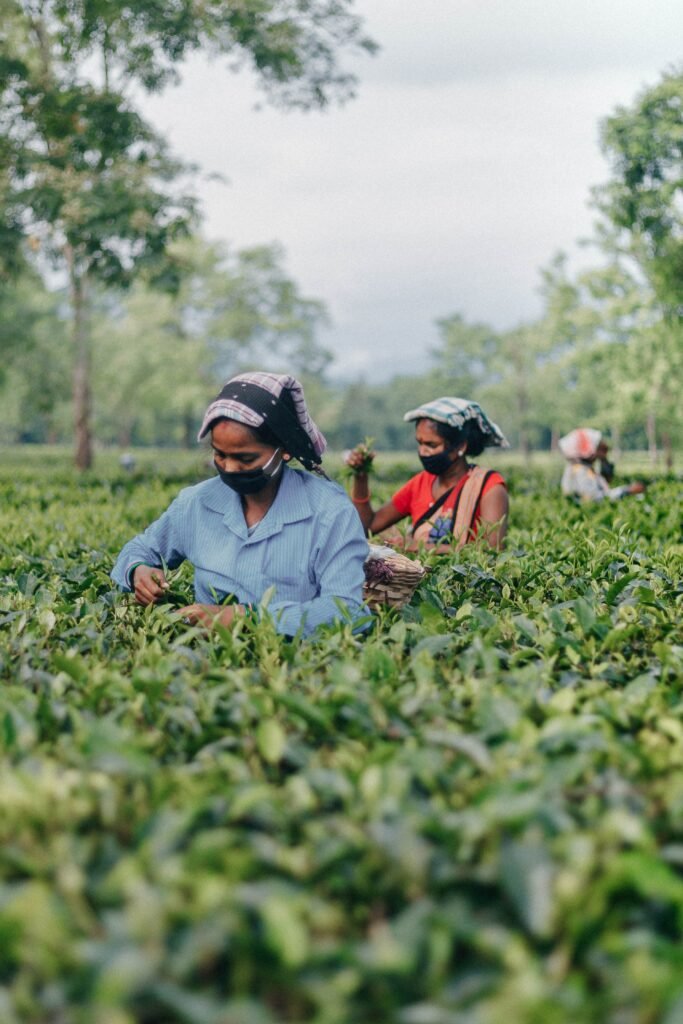
Tea plucking is the vital foundation of tea production, where the leaves’ quality and characteristics are determined.

Understanding the Perfect Pluck: Selecting the Ideal Leaves

The art of tea plucking involves selecting the most tender and fresh leaves, as well as the delicate bud, to ensure the highest quality tea.

Tea Plucking Techniques: Hand vs. Machine

While traditional hand pluck preserves the integrity of the leaves, modern machines offer efficiency in large-scale tea production.

The Role of Geography and Climate in Plucking

Geography and climate play pivotal roles in determining when and how tea leaves are plucked, affecting flavor and aroma.

Plucking Seasons: A Dance with Nature’s Rhythms

Different tea types are plucked during specific seasons, aligning with the natural growth cycles of the tea plant.

Plucking Standards and Ethical Considerations

Ethical plucking practices prioritize fair wages, safe working conditions, and sustainable cultivation to support both workers and the environment.

The Impact of Plucking on Tea Quality

Tea quality is directly influenced by pluck, as the timing and selection of leaves affect flavor, aroma, and appearance.

The Connection Between Pluck and Oxidation

The enzymatic oxidation process begins as soon as leaves are plucked, influencing the style and characteristics of the final tea.

Tea Pluck as a Skill: The Art of Picking Tea

Skilled pluckers deftly navigate the tea bushes, selectively pluck the right leaves to ensure consistency and high-quality tea.

Pluck Varieties: From White to Black Tea

Different tea types require specific pluck methods, with some teas utilizing only the bud, while others include leaves at various stages of growth.

Plucking and Socioeconomic Factors: A Global Perspective

Chai plucking often supports livelihoods in tea-growing regions, contributing to local economies and shaping the cultural fabric of communities.

Innovations in Chai Plucking: Balancing Tradition and Efficiency

Technological advancements have led to innovations in Chai plucking methods, maintaining quality while increasing efficiency.

The Human Touch in Chai Plucking: Supporting Livelihoods

While machines aid efficiency, the human touch in tea plucking remains vital, supporting the livelihoods of skilled pluckers.

FAQs About Tea Pluck: Answers to Your Curiosities

1. Can tea leaves be plucked year-round? No, tea leaves are generally plucked during specific seasons when they are at their freshest and most flavorful.

2. How do pluckers avoid damaging the tea bushes? Experienced pluckers are trained to carefully select leaves without harming the tea bushes, preserving their future growth.

3. Are there differences in pluck techniques for different tea types? Yes, different tea types require specific pluck techniques to ensure the desired flavor and characteristics.

4. What are the challenges faced by tea pluckers? Tea pluckers often work long hours in challenging weather conditions, and fair compensation and improved working conditions are ongoing concerns.

5. How does Chai plucking contribute to sustainability? Ethical plucking practices promote sustainability by ensuring responsible cultivation, fair wages, and the preservation of the environment.

Contact Details:- 9499347308

Visit Our Site:-zirconshop.in

Official YouTube Channel For Business :- Zircon Blogs

on

Unlock the mysteries of tea valuation as we dive into the intricate process of determining the worth of different tea varieties. From the cultivation methods to the tasting experience, learn how various factors contribute to the value of tea. How To Value Tea: Unveiling the Factors That Influence Tea Valuation

Tea Valuation

Introduction: Understanding the Art of Valuing Tea

The process of valuing tea is an intricate blend of science, art, and experience. Delve into the world of tea valuation and learn how various factors contribute to the assessment of tea’s worth.

Terroir and Origin: The Geographic Influence on Tea Value

The terroir, encompassing factors like soil, climate, and altitude, significantly impacts tea’s flavor and value. Discover how the geographical origin of tea leaves shapes their quality.

Cultivation Practices: From Conventional to Organic

Cultivation practices, including the use of pesticides and organic methods, play a pivotal role in tea valuation. Explore how sustainable practices enhance tea’s value.

Tea Plant Varieties: Exploring the Diversity of Tea

Different tea plant varieties, such as Camellia sinensis var. sinensis and Camellia sinensis var. assamica, offer distinct flavors and characteristics, contributing to their value.

Processing Techniques: Craftsmanship in Tea Production

The intricate steps involved in processing tea, from withering to rolling, impact its final quality. Learn how expert craftsmanship elevates the value of tea.

Tea Grades: Defining Quality and Rarity

Tea grades classify leaves based on their appearance, size, and quality. Understand how these grades reflect the tea’s value and rarity.

Aroma and Flavor Profile: Sensory Experience Matters

The aroma and flavor profile of tea evoke sensory experiences. Explore how complex and unique profiles elevate the value of different tea varieties.

Vintage and Aging: Time’s Impact on Tea Valuation

Similar to fine wines, tea can appreciate in value with age. Discover the influence of vintage and aging on the worth of aged teas.

Packaging and Presentation: Aesthetic Appeal

The packaging and presentation of tea significantly impact its perceived value. Learn how elegant and thoughtful packaging enhances the overall experience.

Market demand and current trends influence tea valuation. Explore how factors like popularity and scarcity affect the market value of tea.

Cultural and Historical Significance: Tradition Elevates Value

Teas with cultural or historical significance often hold higher value. Uncover how heritage and tradition contribute to the worth of certain teas.

Tea Auctions: Where Value is Established

Tea auctions play a vital role in determining tea’s market value. Learn how auctions provide insights into the demand and value of different tea types.

Common Misconceptions About Tea Valuation

Discover and debunk common misconceptions about tea valuation, from the notion that price equates to quality to the idea that all aged teas are valuable.

FAQs About Valuing Tea: Satisfying Your Curiosity

1. Is higher-priced tea always better in quality? Not necessarily. While price can be an indicator of quality, other factors like rarity and demand also contribute to the value of tea.

2. How do you determine the rarity of a tea? Rarity is determined by factors such as limited production, specific processing methods, and unique flavor profiles that are hard to replicate.

3. Can I invest in tea as a commodity? Tea can be considered an alternative investment, but it’s essential to research thoroughly and understand the market dynamics before investing.

4. Are blends less valuable than single-origin teas? Blends can also have high value, especially if they are skillfully crafted with premium ingredients that result in a unique and appealing flavor profile.

5. What role does the age of tea trees play in valuation? The age of tea trees can influence the flavor and aroma of tea, contributing to its value. Older trees may produce more complex and sought-after teas.

Contact Details:- 9499347308

Visit Our Site:-zirconshop.in

Official YouTube Channel For Business :- Zircon Blogs