
Author: mukeshbishnoi

on

Japan, a country known for its rich cultural heritage and pristine landscapes, is also revered for its traditional and diverse green tea offerings. With centuries of tea cultivation and refinement, Japan has perfected the art of producing high-quality green teas that range in flavor, aroma, and preparation methods. In this article, we’ll take a journey through the captivating world of Japanese green teas, exploring their unique characteristics and the cultural significance they hold. Types of Green Tea in Japan
Green Tea in Japan

Introduction to Japanese Green Tea Tradition

Japanese green tea culture is deeply ingrained in the nation’s history. Introduced from China in the 9th century, green tea became an integral part of Japanese life and spirituality. The reverence for tea continues to shape cultural practices and ceremonies.

Cultivation and Processing of Japanese Green Teas

The meticulous cultivation and processing of Japanese green teas are a testament to the country’s commitment to excellence. Leaves are often shade-grown, hand-harvested, and processed with precision to capture the unique qualities of each variety.

Sencha, the quintessential Japanese green tea, represents the epitome of everyday tea enjoyment. Its vibrant green leaves are steamed, rolled, and pan-fired, resulting in a delicate balance of grassy notes and a refreshing aroma.

Matcha: The Essence of Tranquility

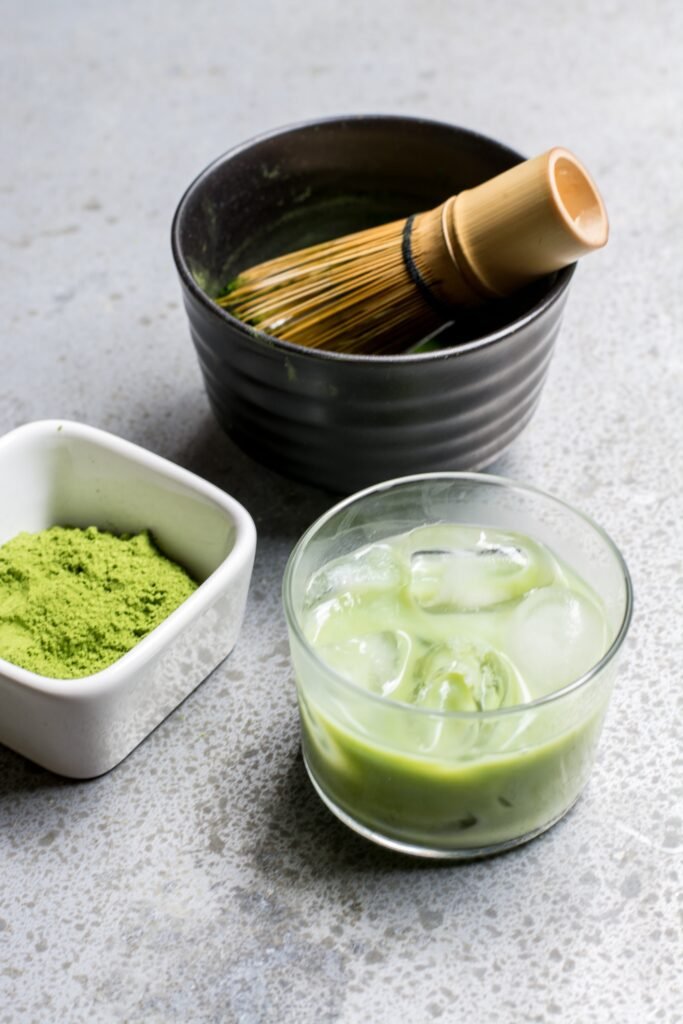
Matcha, a finely powdered green tea, is renowned for its use in traditional tea ceremonies. The entire tea leaf is consumed, offering a vibrant green color and an earthy, umami-rich flavor profile.

Gyokuro: The Jewel of Japanese Tea

Gyokuro, often referred to as the “jade dew,” is shade-grown for several weeks before harvesting. This labor-intensive process produces leaves with a sweet, vegetal flavor and a luscious, deep green infusion.

Hojicha: The Roasted Elegance

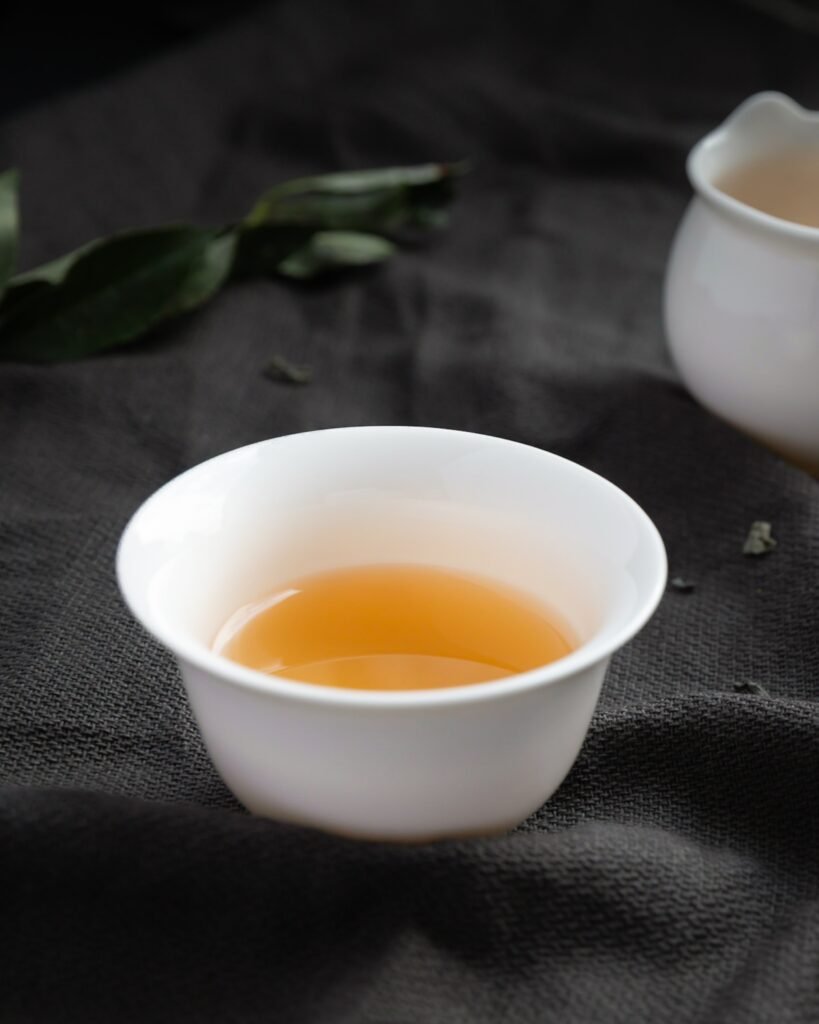
Hojicha stands apart with its roasted leaves and amber hue. The roasting process imparts a toasty aroma and a mild, nutty flavor, making it a soothing choice for any time of day.

Genmaicha: The Popcorn Tea

Genmaicha is a unique blend of green tea leaves and roasted brown rice. The rice adds a nutty, caramelized note to the tea, creating a comforting and slightly savory brew.

Shincha: The First Harvest Delight

Shincha, or “new tea,” marks the first harvest of the year. Its vibrant and fresh character is eagerly anticipated by tea enthusiasts, signaling the arrival of spring.

Tokujou Sencha: The Pinnacle of Flavor

Tokujou Sencha represents the highest grade of sencha tea. Grown under specific conditions, its leaves offer a perfect balance of sweetness, umami, and a refreshing aftertaste.

Bancha: The Everyday Comfort

Bancha is a staple in Japanese households, known for its simplicity and comforting qualities. It’s often brewed with larger leaves, resulting in a mild and approachable flavor.

Iced Green Teas: Refreshing Summer Brews

In the warmer months, Japanese green teas are enjoyed over ice. Sencha and matcha iced teas provide a revitalizing and cooling option that showcases the versatility of these teas.

Health Benefits of Japanese Green Teas

Japanese green teas are celebrated for their health benefits. Rich in antioxidants and compounds like catechins, they are believed to support metabolism, digestion, and overall well-being.

Cultural Significance and Ceremonies

Japanese green tea ceremonies, known as “chanoyu” or “sado,” are rooted in Zen philosophy. These ceremonies emphasize mindfulness, simplicity, and the appreciation of the present moment.

Japanese Green Tea in Modern Times

While traditional tea practices persist, Japanese green tea has also evolved to meet modern preferences. Ready-to-drink bottled teas and culinary applications of matcha have gained popularity.

Sustainability and Ethical Practices

Japanese tea producers prioritize sustainability and ethical practices. Efforts are made to reduce environmental impact and support local communities through responsible cultivation.

FAQs About Japanese Green Teas

  1. What sets Japanese green tea apart from teas of other countries? Japanese green teas are often steamed, preserving their vibrant green color and distinct umami flavor.
  2. Is matcha only used for drinking? No, matcha is also used in culinary creations like desserts, lattes, and even savory dishes.
  3. Are there caffeine-free options among Japanese green teas? Most Japanese green teas contain caffeine, but there are decaffeinated options available for those who prefer them.
  4. How can I brew the perfect cup of Japanese green tea? Brewing Japanese green tea involves careful attention to water temperature and steeping time, ensuring a balanced flavor.
  5. What is the significance of the tea ceremony in Japanese culture? The tea ceremony embodies principles of harmony, respect, purity, and tranquility, reflecting the essence of Zen philosophy.

Conclusion

Japanese green teas embody the essence of tradition, craftsmanship, and cultural significance. From the tranquil matcha ceremonies to the everyday enjoyment of sencha, each cup tells a story of centuries-old practices and a deep connection to nature. As the world continues to savor the flavors and values encapsulated in Japanese green teas, it also partakes in a journey of mindfulness and appreciation.

Contact Details:- 9499347308
Visit Our Site:-zirconshop.in

Official YouTube Channel For Business :- Zircon Blogs

on

China, often regarded as the birthplace of tea, has a profound tea culture that dates back thousands of years. Among its diverse tea offerings, green tea holds a special place, celebrated for its delicate flavors, vibrant colors, and health benefits. In this article, we’ll delve into the captivating world of Chinese green teas, exploring their unique characteristics, cultural significance, and the various types that delight tea enthusiasts around the globe.

Types of Green Tea in China

Introduction to Chinese Green Tea Tradition

China’s tea heritage is deeply intertwined with its history, culture, and philosophy. Green tea, known as “qing cha” in Chinese, has been cherished for its fresh and invigorating qualities, often representing purity and vitality.

The Art of Chinese Green Tea Cultivation and Processing

The journey of Chinese green tea begins with meticulous cultivation and processing. Leaves are handpicked and carefully processed to retain their natural flavors and aromas, making every cup a testament to the dedication of tea artisans.

Longjing Tea: The Dragon Well Elixir

Longjing tea, often hailed as China’s national tea, is renowned for its flat, tender leaves and chestnut-like aroma. Grown in the picturesque West Lake region, it offers a delicate balance of sweet, nutty, and vegetal notes.

Bi Luo Chun: The Green Snail Spring

Bi Luo Chun is named after its tightly rolled leaves resembling snail shells. Grown in Jiangsu province, this tea presents a harmonious blend of fruity, floral, and slightly tangy flavors.

Gunpowder Tea: The Rolled Treasure

Gunpowder tea features small, tightly rolled leaves that unfurl during brewing, resembling gunpowder pellets. This tea offers a brisk, slightly smoky taste and is commonly used for making Moroccan mint tea.

Huangshan Maofeng: The Fur Peak Tribute

Huangshan Maofeng tea originates from the Yellow Mountain region. Its leaves are shaped like young buds covered in white hair, infusing a mild and delicate brew with a refreshing aftertaste.

Xinyang Maojian: The Hairy Tips Revelation

Xinyang Maojian stands out with its distinctive appearance—thin, curly leaves with silver tips. Grown in Henan province, this tea boasts a complex flavor profile, ranging from floral to vegetal.

Liu An Gua Pian: The Melon Seed Magic

Liu An Gua Pian is unique for its use of single leaves without buds. With a mellow and sweet taste reminiscent of toasted chestnuts, this tea offers a remarkable departure from traditional green teas.

Taiping Houkui: The Monkey King’s Gift

Taiping Houkui leaves are characterized by their large, flat shape and unique double creases. Grown in Anhui province, this tea imparts a smooth, vegetal taste with a hint of orchid fragrance.

Lu’an Melon Seed Tea: A Melodic Sip

Lu’an Melon Seed Tea, also known as Lu’an Gua Pian, features flat, oval-shaped leaves that resemble melon seeds. It offers a brisk and slightly nutty flavor with a subtle floral aroma.

Jasmine Tea: A Fragrant Fusion

Jasmine tea is a fragrant fusion of green tea leaves and jasmine blossoms. The floral aroma and delicate taste make it a popular choice for those seeking a perfumed and refreshing cup.

Health Benefits of Chinese Green Teas

Chinese green teas are celebrated for their potential health benefits. Rich in antioxidants, they are believed to support metabolism, digestion, and overall well-being, contributing to a holistic approach to health.

Green Tea in Chinese Culture and Ceremonies

Green tea holds cultural significance in China, symbolizing harmony, respect, and the appreciation of nature’s bounty. Tea ceremonies, both traditional and modern, provide a platform for connection and reflection.

Chinese Green Tea in Modern Times

While upholding its traditional roots, Chinese green tea has evolved to meet modern demands. Ready-to-drink bottled teas and innovative flavor combinations cater to diverse tastes and lifestyles.

Sustainability and Ethical Tea Practices

Sustainability is a growing focus within China’s tea industry. Efforts to adopt organic cultivation, reduce environmental impact, and support local communities highlight a commitment to ethical practices.

FAQs About Chinese Green Teas

  1. What distinguishes Chinese green teas from other green teas? Chinese green teas often feature a wide range of flavors, from delicate and vegetal to bold and nutty, reflecting diverse regional characteristics.
  2. Is it true that green tea has less caffeine than other teas? Yes, green tea generally contains less caffeine compared to black tea, making it a suitable option for those seeking a milder caffeine content.
  3. How should I store Chinese green teas to preserve their freshness? Store Chinese green teas in airtight containers away from light, moisture, and strong odors to maintain their flavor and aroma.
  4. Can Chinese green teas be enjoyed with food? Absolutely! Chinese green teas’ versatile flavors complement a variety of foods, from light salads to delicate pastries.
  5. What role does Chinese green tea play in traditional medicine? Chinese green tea has been incorporated into traditional Chinese medicine for its potential health benefits, contributing to the overall well-being of individuals.

Conclusion

Chinese green teas encapsulate the essence of tradition, craftsmanship, and the beauty of nature. From the serene landscapes where tea is grown to the tranquil moments of sipping, each cup tells a story of centuries-old practices and a deep-rooted connection to the land. As the world continues to appreciate the flavors and values woven into Chinese green teas, it also partakes in a journey of exploration, wellness, and cultural enrichment.

Contact Details:- +91-9499347308

Visit Our Site:-zirconshop.in

Official YouTube Channel For Business :- Zircon Blogs

on

India, a land of diverse cultures and landscapes, is not only known for its rich history but also for its contribution to the world of tea. While India is famous for its black teas, such as Assam and Darjeeling, it also has a lesser-known yet thriving green tea industry. In this article, we will explore the regions of India that produce green tea, delving into the unique characteristics, flavors, and cultural significance of this refreshing and healthful beverage.

Green Tea in India

Introduction to Indian Green Tea

While India is renowned for its black tea varieties, green tea has been gaining popularity for its unique flavor profile and potential health benefits. The cultivation and processing of green tea involve precise techniques to preserve the leaves’ natural freshness and vibrant color.

The Art of Green Tea Cultivation and Processing

Green tea cultivation and processing in India emphasize delicate handling. Leaves are plucked and quickly processed to prevent oxidation, resulting in a tea that is light, grassy, and often fragrant.

Darjeeling: The Queen of Hills and Green Tea

Darjeeling, known for its exquisite black teas, also produces remarkable green teas. Grown in the Himalayan foothills, Darjeeling’s green teas offer a floral and slightly astringent taste, capturing the essence of the region’s terroir.

Assam: From Bold Blacks to Delicate Greens

Assam, famous for its bold and robust black teas, has also ventured into green tea production. Assam’s green teas are characterized by their strong flavors, often accompanied by sweet and vegetal undertones.

Kangra: The Hidden Gem of Green Tea

Kangra Valley, nestled in the foothills of the Dhauladhar range, is known for producing a range of green teas. With a focus on organic cultivation, Kangra’s green teas exude a refreshing taste and a pleasant aroma.

Nilgiri: A Green Haven in the South

Nilgiri region in South India, usually associated with black teas, also crafts delightful green teas. These teas boast a brisk and lively character, making them an excellent choice for a morning pick-me-up.

Sikkim: The Organic Green Tea Paradise

Sikkim, known for its pristine landscapes, is a paradise for organic green tea enthusiasts. Sikkim’s green teas offer a mellow and soothing experience, reflecting the region’s commitment to sustainability.

Arunachal Pradesh: Exploring the Northeastern Greens

Arunachal Pradesh, part of India’s northeastern region, produces unique green teas. These teas often have a bold flavor profile, influenced by the region’s diverse climatic conditions.

Munnar: Kerala’s Green Tea Legacy

Munnar, a picturesque hill station in Kerala, has a legacy of producing green teas. These teas display a bright infusion and a balanced flavor, making them a favorite among tea connoisseurs.

Health Benefits of Indian Green Teas

Indian green teas are rich in antioxidants and catechins, making them potential contributors to various health benefits. From aiding digestion to supporting immunity, these teas offer holistic wellness.

Cultural Significance and Modern Adoption

While green tea has ancient roots in China and Japan, its adoption in India has grown in recent years. Green tea’s cultural significance aligns with its health-conscious appeal, making it a popular choice for many.

FAQs About Green Tea in India

  1. Can I find organic green teas in India? Yes, many regions in India, particularly in the northeastern states and the Himalayan regions, prioritize organic cultivation of green tea.
  2. Are Indian green teas similar to Chinese green teas? While there are similarities in processing, Indian green teas often have unique flavor profiles influenced by the region’s climate and soil.
  3. Can I add flavors to Indian green tea? Yes, Indian green teas can be infused with various natural flavors like mint, lemon, or spices to create personalized blends.
  4. Are Indian green teas caffeine-free? Indian green teas usually contain some caffeine, but the content is generally lower compared to black teas.
  5. What makes Indian green teas distinct from Japanese green teas? Indian green teas vary in flavor due to regional factors, offering a different taste experience than traditional Japanese green teas.

Conclusion

India’s journey into the world of green tea is a testament to its rich tea heritage and its ability to adapt to evolving preferences. With distinct flavors, fragrances, and a growing emphasis on organic cultivation, Indian green teas reflect the nation’s dedication to innovation while honoring tradition. As the world embraces the diverse range of green teas India has to offer, it becomes a part of a flavorful and healthful expedition.

Contact Details:- 9499347308

Visit Our Site:-zirconshop.in

Official YouTube Channel For Business :- Zircon Blogs

on

Green tea, celebrated for its numerous health benefits and refreshing taste, comes in various forms, each with its own unique characteristics. Join us on a flavorful journey as we explore the different types of green tea, their distinct flavors, and the advantages they offer. Types Of Green Tea: A Flavorful Journey Through Varieties and Benefits

Types Of Green Tea

Introduction: The Green Elixir

Green tea, cherished for centuries in Asia, has gained global acclaim for its taste and health benefits. Let’s embark on a journey to explore the diverse world of green tea.

Sencha: The Everyday Green Tea

Sencha, the most popular green tea in Japan, offers a refreshing and slightly grassy flavor. Discover why it’s a daily favorite among tea enthusiasts.

Matcha: The Vibrant Green Powder

Renowned for its brilliant green color and earthy taste, matcha has a unique preparation method. Uncover the art and ceremony of making matcha.

Dragon Well (Longjing): The King of Chinese Green Tea

Dragon Well, or Longjing, stands as China’s most famous green tea. Dive into its history, distinctive flat leaves, and gentle chestnut-like flavor.

Gyokuro: The Shade-Grown Delicacy

Shade-grown for increased chlorophyll content, gyokuro offers a sweet, umami-rich experience. Explore how this Japanese tea differs from its counterparts.

Gunpowder Tea: Rolled Spheres of Flavor

Gunpowder tea gets its name from the appearance of its rolled leaves. Learn how these tiny pellets unfurl to release a robust flavor profile.

Jasmine Green Tea: A Fragrant Infusion

Jasmine green tea blends the delicate fragrance of jasmine blossoms with the freshness of green tea. Discover how the scenting process works.

Benefits of Green Tea: Beyond Taste

Beyond its delicious taste, green tea offers an array of health benefits, from antioxidants to potential weight management support. Dive into the science of green tea’s advantages.

Brewing the Perfect Cup: A Masterpiece in Simplicity

Brewing green tea is an art. Explore the ideal water temperature, steeping times, and techniques to create a harmonious cup of green tea.

The Myths and Truths About Green Tea

Separate fact from fiction as we debunk common myths surrounding green tea, from its caffeine content to its ability to burn fat.

Conclusion: Sipping Health and Flavor

In conclusion, green tea offers not only a delightful and diverse range of flavors but also a myriad of potential health benefits. So, pour yourself a cup of green tea and savor both its taste and its positive impact on your well-being.

Contact Details:- 9499347308

Visit Our Site:-zirconshop.in

Official YouTube Channel For Business :- Zircon Blogs