Author: mukeshbishnoi

on

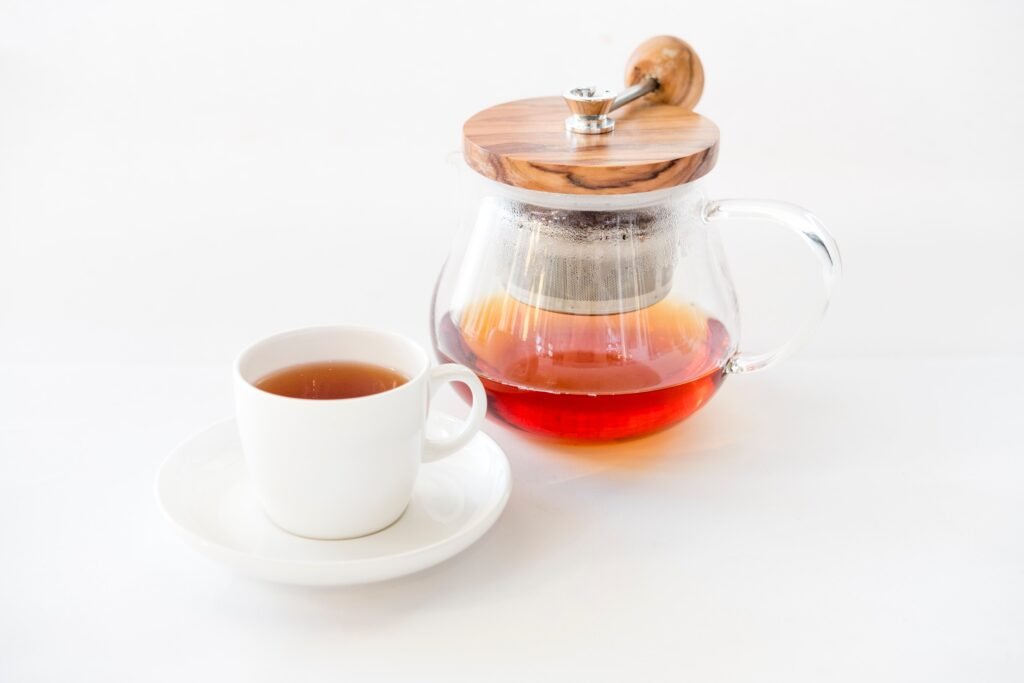
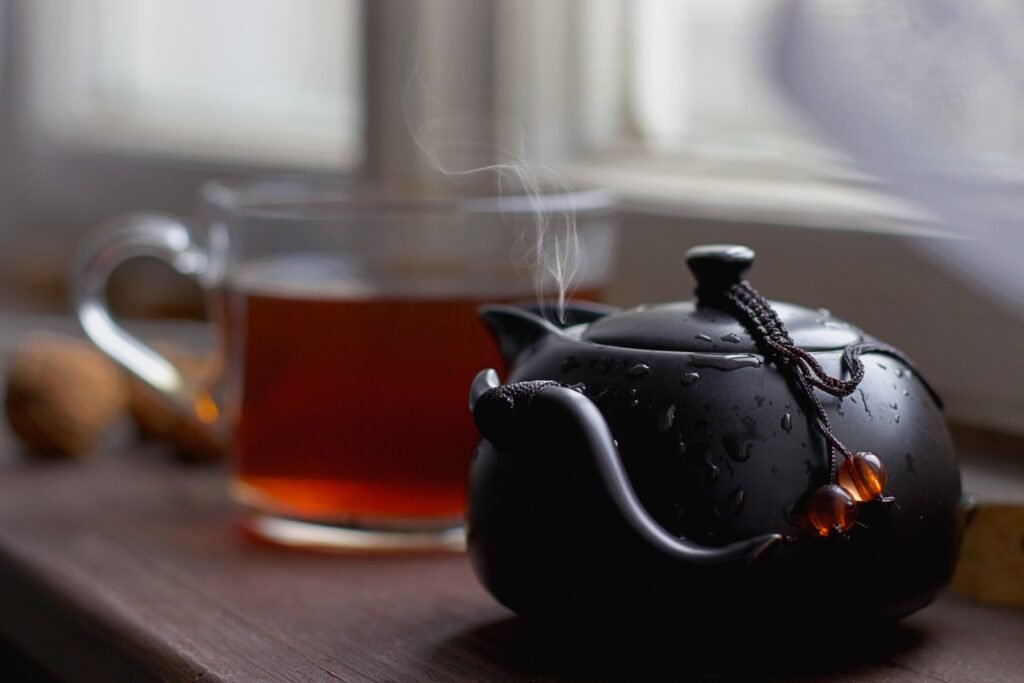
When it comes to tea, the experience is not limited to taste alone. The captivating world of Chai aroma adds another layer of delight to every sip. From the moment the warm water touches the leaves to the fragrant steam rising from the cup, Chai aroma is a symphony of scents that tells the story of origin, processing, and quality. This article is an exploration of the enchanting realm of Chai aroma, its significance, and how it enriches the overall tea experience. Unveiling the Enchanting World of Chai Aroma: A Journey Through Scented Delights..
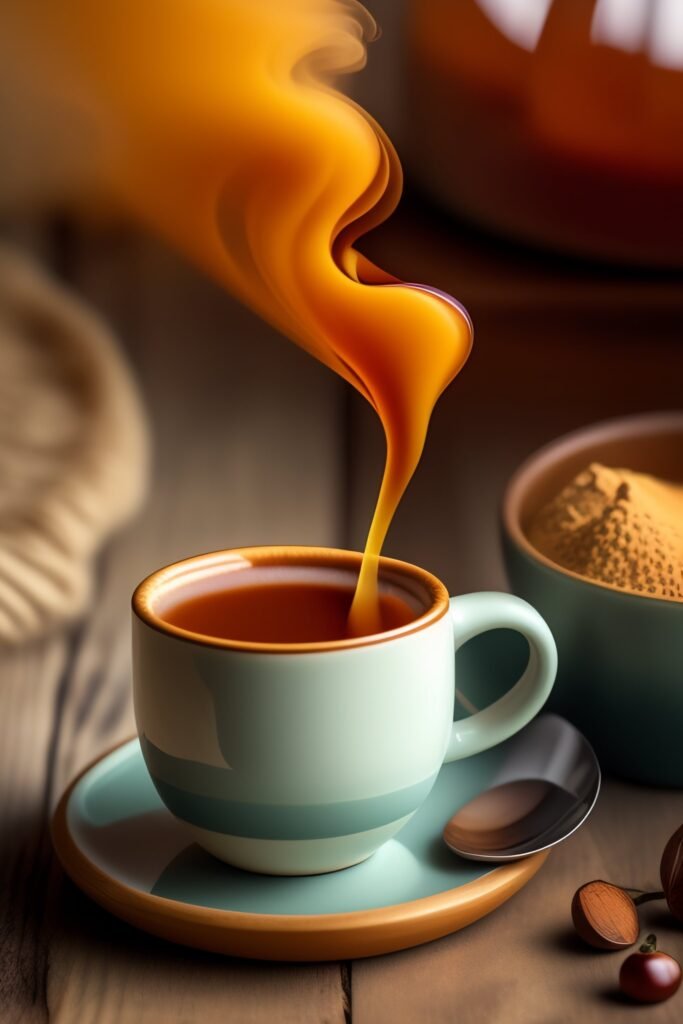
Tea Aroma

Introduction

Tea enthusiasts are no strangers to the beguiling aromas that emanate from their cup of brew. These scents hold secrets and stories within them, waiting to be discovered.

Understanding Chai Aroma

The Essence of Tea Fragrance

Chai aroma is the olfactory journey that begins as soon as the tea leaves make contact with water. It’s a dance of fragrances that unfolds with every steep.

The Science Behind Aroma

Aromatic Compounds in Tea

Aroma compounds, including volatile oils and other organic molecules, are responsible for the diverse scents found in tea.

Factors Influencing Aroma

Origin, processing methods, oxidation levels, and storage conditions are factors that influence the aroma profile of tea.

Varieties of Chai Aroma

Floral and Perfumed Aromas

Some teas exude floral notes reminiscent of blossoms, while others carry perfumed scents that evoke elegance.

Earthy and Woody Notes

Certain teas boast earthy and woody aromas, transporting drinkers to natural landscapes.

Fruity and Citrusy Scents

Fruity and citrusy aromas in tea can range from sweet to tangy, enhancing the overall sensory experience.

Preserving Aroma

Proper Storage and Packaging

Airtight and light-resistant containers are essential for retaining the aromatic integrity of tea leaves.

Unveiling Aroma During Brewing

Aroma Release during Steeping

As tea leaves unfurl and interact with water, the heat releases the aromatic compounds, enveloping the space with scents.

The Art of Chai Aroma Appreciation

Engaging the Senses

Chai aroma appreciation involves engaging the senses through mindful smelling, allowing the fragrance to tell its story.

Pairing Aromas with Flavors

Matching aromas with flavors enhances the tasting experience, creating harmonious blends of taste and scent.

Chai Aroma in Culture and Rituals

Cultural Significance of Aroma

In various cultures, Chai aroma is celebrated through rituals and ceremonies that elevate the act of tea drinking.

Conclusion

Chai aroma is a bridge between the tea lover and the tea itself. It’s a journey of exploration and connection that adds depth to the cup.

FAQs

  1. Can Chai aroma vary within the same tea type?
    • Yes, factors like harvest season, processing, and terroir can lead to variations in aroma even within the same tea type.
  2. Can aroma affect taste perception?
    • Absolutely. Aroma plays a significant role in influencing how we perceive the flavors of tea.
  3. How does temperature affect Chai aroma release?
    • Higher water temperatures can expedite the release of aroma compounds during steeping.
  4. Can aroma impact mood and emotions?
    • Yes, certain tea aromas can evoke feelings of calmness, relaxation, and nostalgia.
  5. Can Chai aroma be used in cooking?
    • Yes, tea aromas can be incorporated into cooking to infuse unique scents and flavors into dishes.

Contact Details:- 9499347308
Visit Our Site:-zirconshop.in

Official YouTube Channel For Business :- Zircon Blogs

on

Tea, a beverage that has stood the test of time, owes its charm to the intricate process of infusion. In this article, we journey through the world of tea infusion, exploring its nuances, techniques, and the magic it brings to each cup.

Tea Infusion

Introduction: The Alchemy of Tea Infusion

Embark on a journey to uncover the enchanting process that transforms tea leaves into the flavorful elixir known as infusion.

The Basics of Tea Infusion: From Leaves to Liquid

Discover the foundational steps of tea infusion, from selecting the right leaves to the careful blending of flavors.

Temperature and Time: The Key Factors in Infusion

Explore how the temperature and steeping time influence the flavor, aroma, and character of the final infusion.

Types of Tea Infusion: A Variety of Styles

Delve into the world of Chai infusion styles, including hot, cold, sun, and even moon infusions, each offering a unique twist.

The Art of Blending: Crafting Unique Infusions

Learn the art of tea blending, where creativity knows no bounds and flavors harmonize to create personalized infusions.

Health Benefits of Infused Teas: Nourishing the Body

Uncover the healthful properties of infused teas, from antioxidants to soothing herbal remedies that nurture well-being.

Infusion Accessories: Tools for the Perfect Brew

Explore the tools and accessories that enhance the infusion experience, from teapots and infusers to elegant cups.

Infusion Across Cultures: A Global Phenomenon

Embark on a cultural journey, exploring how different societies around the world infuse their unique traditions into tea.

Savoring the Infusion: A Sensory Experience

Dive into the sensory adventure of savoring tea infusions, where aroma, taste, and texture intertwine to delight the senses.

Brewing Tips and Techniques: From Novice to Expert

Unlock the secrets to mastering the art of infusion with practical tips, whether you’re a beginner or seasoned enthusiast.

Frequently Asked Questions (FAQs)

  1. Can I reuse tea leaves for multiple infusions? Yes, some tea leaves can be infused multiple times, each steep revealing new flavors.
  2. What is cold infusion, and how is it prepared? Cold infusion involves steeping tea leaves in cold water over an extended period, producing a refreshing and light brew.
  3. Are herbal infusions considered tea? While herbal infusions are not technically “tea,” they are often referred to as herbal teas due to their similar preparation.
  4. Do different teas require different infusion times? Absolutely, the infusion time varies based on the type of tea and desired strength.
  5. Can I create my own tea blends at home? Certainly, blending teas at home allows you to experiment with flavors and customize your infusions.

Contact Details:- 9499347308

Visit Our Site:-zirconshop.in

Official YouTube Channel For Business :- Zircon Blogs

on

Tea brewing is a harmonious blend of science and art, where precision meets creativity to transform tea leaves into a cup of liquid gold. Whether you’re a novice or a seasoned tea connoisseur, understanding the nuances of tea brewing can elevate your tea-drinking experience to new heights. In this article, we delve into the world of tea brewing, exploring techniques, tools, and tips to help you master this exquisite craft. Mastering the Art of Tea Brewing: From Leaves to Liquid Gold.

Tea Brewing

Introduction

Tea brewing is more than a ritual; it’s an art form that transforms tea leaves into a sensory masterpiece.

The Importance of Proper Tea Brewing

Unlocking Flavors and Aromas

Proper brewing ensures that the intricate flavors and aromas locked within the tea leaves are released into your cup.

Getting Started: Tools and Ingredients

Essential Brewing Equipment

From teapots to infusers, having the right tools can make a significant difference in your brewing journey.

Quality Tea Leaves: The Foundation

Starting with high-quality tea leaves is crucial for achieving a remarkable brew.

Water Temperature and Quality

Impact on Flavor Extraction

Different tea types require specific water temperatures to achieve the ideal flavor balance.

Choosing the Right Water

Using fresh, filtered water can prevent unwanted mineral flavors from affecting your brew.

Brewing Techniques for Different Tea Types

Black Tea: Bold and Invigorating

Discover the techniques that bring out the robustness of black tea.

Green Tea: Elegance in Simplicity

Delicate and nuanced, green tea demands precision and care in brewing.

Oolong Tea: The Art of Balance

Explore the art of oolong tea brewing, which strikes a harmonious balance between green and black tea.

White Tea: Delicate Serenity

Learn how to coax the subtle flavors of white tea without overpowering them.

Herbal Tea: Nature’s Infusion

Herbal teas require slightly different brewing methods due to their diverse ingredients.

The Art of Steeping

Time and Timing

Mastering the steeping time is essential for extracting the right balance of flavors.

Multiple Infusions

Certain teas can be steeped multiple times, each infusion unveiling different facets of flavor.

Perfecting Your Brew

Customizing Strength and Flavor

Tailor your brew to your preferences by adjusting the tea-to-water ratio.

Adding Accents: Milk, Sugar, and More

Discover how to enhance your tea experience with additions like milk, honey, or spices.

Savoring the Brew: Mindful Tea Drinking

Engaging All Senses

Mindful tea drinking involves engaging sight, smell, taste, and touch.

Appreciating Each Sip

Take time to savor each sip, allowing the flavors to unfold on your palate.

Troubleshooting: Common Mistakes and Fixes

Bitterness and Astringency

Learn how to prevent bitterness and astringency caused by oversteeping or improper brewing.

Weak Brews

Address weak brews by adjusting steeping time, tea quantity, or water temperature.

Oversteeping

Discover remedies for the consequences of oversteeping, such as bitter or overly strong tea.

Conclusion

Becoming a skilled tea brewer allows you to explore the intricate dance of flavors and aromas that tea has to offer.

FAQs

  1. Can I reuse tea leaves for multiple infusions?
    • Yes, many high-quality tea leaves can be steeped multiple times, each infusion offering unique flavors.
  2. Is there a standard tea-to-water ratio for all teas?
    • No, different tea types require different ratios. Generally, it’s recommended to follow the guidelines provided on the tea packaging.
  3. Can I brew tea using cold water?
    • Cold brewing is a method that involves steeping tea in cold water over an extended period. It can yield refreshing results with lower caffeine levels.
  4. Why does my tea taste bitter?
    • Bitterness can result from oversteeping, high water temperature, or using poor-quality water.
  5. Should I rinse tea leaves before brewing?
    • Rinsing is common for certain types of tea, such as pu-erh, to awaken the leaves and remove any surface dust.

Contact Details:- 9499347308

Visit Our Site:-zirconshop.in

Official YouTube Channel For Business :- Zircon Blogs

on

Do you find yourself yearning for a more profound understanding of the world of tea? Are you curious about the diverse flavors, aromas, and brewing techniques that make each cup a unique experience? If so, you’re in the right place! Welcome to the world of tea training, where we’ll dive into the art of tea appreciation, exploring its origins, varieties, brewing methods, and much more. Let’s embark on this flavorful journey together. Tea Training: A Flavorful Journey to Becoming a Tea Connoisseur.

Tea Training

Introduction: Unveiling the Elixir of Tea

Tea, a beverage steeped in history and tradition, has captivated cultures worldwide for centuries. Whether you’re an avid tea enthusiast or just beginning to explore its wonders, the world of tea training offers a captivating opportunity to delve deeper into its nuances. From the verdant tea gardens where leaves are plucked to the delicate aromas that dance from your teacup, every aspect of tea has a story to tell.

The Rich History and Cultural Significance of Tea

Tea’s journey begins in ancient China, where it was initially consumed for its medicinal properties. Over time, it evolved into a symbol of hospitality, friendship, and refinement. As tea spread along the Silk Road, it integrated into various cultures, each contributing its unique spin to the tea-drinking experience.

Types of Tea: From Green to Black and Everything In-Between

Tea comes in a kaleidoscope of flavors and styles, each category with its characteristics. Green tea, known for its freshness, and black tea, celebrated for its boldness, are just the tip of the iceberg. Oolong, white, and pu-erh teas each offer a distinct taste profile, giving you a myriad of options to explore.

Navigating Tea Plantations: Understanding Tea Growth and Harvesting

To truly appreciate tea, one must understand its source. Tea plantations, nestled in picturesque landscapes, are where the magic begins. The art of plucking tea leaves at the right moment and understanding the factors that influence their quality are fundamental to producing exceptional tea.

The Magic of Tea Processing: Withering, Rolling, Oxidation, and Firing

The journey from freshly plucked leaves to the dried tea in your cup involves several intricate processes. Withering, rolling, oxidation, and firing are steps that transform raw leaves into the aromatic, flavorful tea we adore. Each process contributes to the final character of the tea.

From Leaves to Cup: Mastering the Art of Tea Brewing

Brewing tea is an art that demands precision. Factors such as water temperature, steeping time, and tea-to-water ratio influence the taste. Whether you’re using a traditional gaiwan or a modern infuser, understanding these variables will ensure a consistently exquisite cup of tea.

The Role of Water: Achieving the Perfect Cuppa

Water quality is the unsung hero of tea brewing. Different teas thrive in varying water temperatures and mineral content. Exploring the nuances of water and its interaction with tea leaves can significantly enhance your brewing skills.

The Ritual of Tea Tasting: Developing Your Palate

Much like wine, tea tasting involves a ritualistic process. Engage your senses as you observe the tea’s appearance, inhale its aroma, and finally, savor its taste. With practice, you’ll refine your palate, discerning subtleties that others might overlook.

Tea and Health: Exploring the Wellness Benefits

Tea isn’t just a treat for the taste buds; it also offers an array of health benefits. From antioxidants that support your immune system to compounds that promote relaxation, tea is a natural elixir for both body and mind.

The World of Tea Blending: Creating Your Signature Blend

Unleash your inner tea alchemist by experimenting with blending. Mixing different teas, herbs, spices, and fruits can result in personalized flavors that cater to your unique preferences.

The Zen of Tea: Embracing the Mindfulness

Tea has a profound ability to induce mindfulness. The act of preparing and savoring tea can be a form of meditation, grounding you in the present moment and inviting tranquility into your routine.

Tea Etiquette: Sipping with Grace and Respect

Across cultures, tea carries its etiquette. Whether it’s the formal Japanese tea ceremony or the cozy British afternoon tea, observing proper etiquette enhances the experience and pays homage to the tradition.

Tea Across Cultures: A Global Journey in a Teacup

As tea traversed the globe, it integrated into diverse cultures, each infusing its unique customs. From the bustling streets of India to the serene tea houses of China, every culture adds a layer of richness to the tapestry of tea.

Elevating Your Tea Experience: Accessories and Pairings

Elevate your tea journey by exploring accessories such as teapots, cups, and infusers. Additionally, experimenting with tea and food pairings can unlock delightful flavor combinations that enhance your culinary adventures.

Conclusion: Sip, Savor, and Share the Tea Joy

Embarking on the path of tea training opens the door to a world of sensory delights, cultural insights, and personal growth. With every cup, you’ll deepen your connection to a tradition that spans centuries, inviting you to sip, savor, and share the joy of tea.

FAQs

1. Can I blend different types of tea together? Absolutely! Experimenting with tea blending can lead to exciting flavor discoveries.

2. What’s the best way to store tea leaves? To preserve freshness, store tea leaves in an airtight container away from light, moisture, and strong odors.

3. Does tea contain caffeine? Yes, but the caffeine content varies among different types of tea.

4. Are there any rituals associated with tea preparation? Yes, various cultures have their tea rituals, such as the Japanese tea ceremony or the Gongfu Cha tradition.

5. Can I reuse tea leaves for multiple infusions? Certainly! Many high-quality teas can be infused multiple times, each steep revealing new flavors.

Contact Details:- 9499347308

Visit Our Site:-zirconshop.in

Official YouTube Channel For Business :- Zircon Blogs