
Author: mukeshbishnoi

on

In a world where discerning tea enthusiasts seek exceptional flavor profiles and ethical sourcing, tea certifications have emerged as trusted hallmarks of quality, authenticity, and sustainable practices. As the global tea industry continues to evolve, these certifications play a pivotal role in guiding consumers towards teas that align with their values. In this article, we delve into the realm of tea certifications, exploring their significance, types, and the positive impact they have on both tea producers and consumers..

Tea Certifications

Introduction

Tea certifications act as beacons of trust, guiding consumers towards teas that uphold quality, sustainability, and ethical standards.

The Essence of Tea Certification

Guaranteeing Quality and Authenticity

Tea certification provide consumers with the assurance that the teas they purchase meet stringent quality standards and are sourced ethically.

Promoting Ethical and Sustainable Practices

Certifications encourage tea producers to adopt eco-friendly cultivation methods, fair labor practices, and sustainable sourcing.

The Landscape of Tea Certification

Organic Certifications

Organic certifications ensure that tea is grown without synthetic pesticides or chemicals, preserving the environment and consumers’ health.

Fair Trade Certifications

Fair trade certifications empower tea farmers by ensuring fair wages, safe working conditions, and community development.

Rainforest Alliance Certification

This certification highlights tea grown on farms that meet comprehensive sustainability standards, protecting ecosystems and workers.

UTZ Certification

UTZ certification promotes responsible farming practices, focusing on environmental conservation, and improving the lives of farmers.

Benefits for Tea Producers

Access to Global Markets

Certifications enhance market access, enabling tea producers to reach consumers who prioritize quality and sustainability.

Improved Sustainability Practices

Certifications drive tea producers to implement practices that reduce environmental impact and improve the overall supply chain.

Empowering Consumers

Informed and Conscious Purchasing

Certifications empower consumers to make educated choices, supporting products that align with their values and preferences.

Supporting Social Responsibility

Certified teas contribute to community development and social welfare, allowing consumers to play a role in positive change.

Certification Complexity

Navigating the multitude of certification can be challenging for both producers and consumers, highlighting the need for clarity.

Emerging Digital Certification Platforms

Digital platforms are emerging to provide transparent and accessible information about certifications, aiding consumers in decision-making.

Conclusion

Tea certification are integral to fostering a responsible and sustainable tea industry, benefiting both producers and consumers alike.

FAQs

  1. Are all certified teas also organic?
    • No, while some certified teas are organic, not all certifications guarantee organic status.
  2. How do certification impact small tea farmers?
    • Certifications can empower small farmers by providing them access to global markets and fair compensation.
  3. Can certification address labor issues in the tea industry?
    • Yes, certifications like fair trade ensure fair wages and improved working conditions for tea laborers.
  4. Are digital certifications reliable?
    • Digital certification platforms can enhance transparency, but consumers should verify their authenticity and credibility.
  5. How can consumers identify certified teas?
    • Certified teas usually display logos or labels on packaging indicating the specific certification they hold.

Contact Details:- 9499347308

Visit Our Site:-zirconshop.in

Official YouTube Channel For Business :- Zircon Blogs
on

Whether you’re a seasoned tea connoisseur or a curious newcomer, the art of tea tasting offers a delightful and enlightening experience. Steeped in tradition and sensory exploration, tea tasting is a journey that engages the senses and deepens the appreciation for the diverse world of teas. In this article, we embark on a voyage into the realm of tea tasting, exploring its nuances, steps, and the ways it enriches our understanding of this ancient beverage. Tea Tasting: A Journey of Flavors and Aromas

Tea Tasting

Introduction

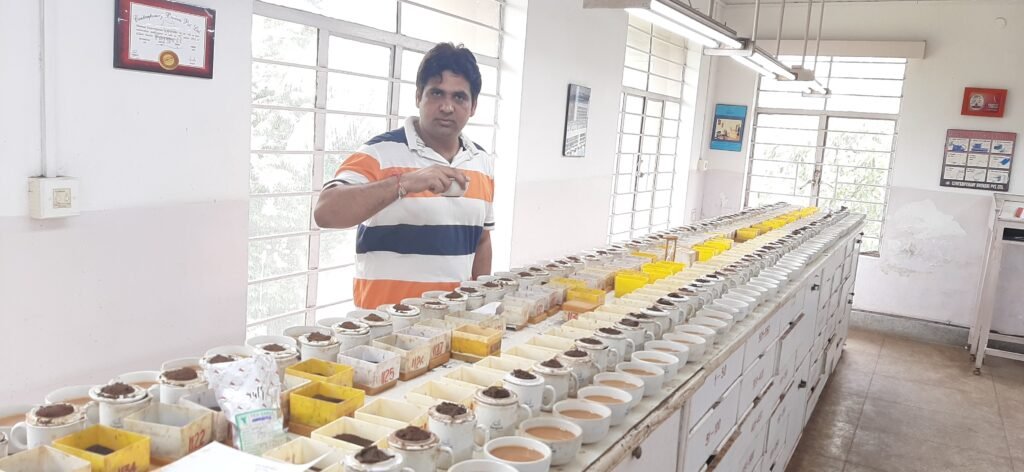
Tea tasting is more than sipping; it’s an immersive journey into the world of flavors, aromas, and culture.

The Fascination of Chai Tasting

The Senses as Guides

Engaging sight, smell, taste, and touch, Chai tasting invites a multisensory exploration of the tea’s essence.

Discovering Tea Varieties

Through tasting, one uncovers a rich tapestry of tea varieties, each with its distinct characteristics and stories.

The Art of Chai Tasting

Preparing the Tea

Properly brewing the tea with precise water temperature and steeping time is essential for an accurate tasting.

Engaging the Senses

Observe the tea’s appearance, inhale its aroma, and savor its taste, allowing your senses to guide the experience.

Noting Aromas and Flavors

Discerning the nuances of the tea’s aroma and flavors requires focused attention and practice.

Chai Tasting Steps

Observing the Dry Leaves

Examine the dry tea leaves’ appearance, noting their color, shape, and aroma before steeping.

Infusing and Examining the Wet Leaves

After steeping, inspect the expanded leaves for changes in color, texture, and aroma.

Appreciating the Liquor

Observe the tea’s liquor color, clarity, and viscosity, which provide clues about its quality and processing.

Unveiling Tea Profiles

Terroir and Processing

Tea’s origin and processing methods influence its taste, from earthy notes to floral fragrances.

Identifying Flavor Notes

Tea experts discern a spectrum of flavors, from vegetal and nutty to fruity and floral, within a single brew.

Pairing and Culinary Delights

Tea and Food Harmony

Pairing tea with food creates a harmonious interplay of flavors that elevates both components.

Complementary and Contrasting Pairings

Match teas with foods that enhance their flavors or contrast for a surprising taste experience.

Health Benefits and Wellness Insights

Tea’s Therapeutic Potential

Beyond flavor, tea offers potential health benefits, such as antioxidants and soothing effects.

Mindful Consumption

Chai tasting promotes mindfulness, encouraging individuals to savor each sip and engage in self-care.

Enhancing the Chai Tasting Experience

Exploring Different Steeping Methods

Experimenting with various steeping techniques unveils diverse facets of a tea’s character.

Blind Tasting Adventures

Blind tastings challenge assumptions, honing your ability to identify teas purely based on taste and aroma.

Conclusion

Chai tasting is an immersive journey that uncovers the stories, flavors, and cultures behind each cup.

FAQs

  1. Do all teas require the same steeping time?
    • No, different teas have varying steeping times based on their type and processing.
  2. Can I use regular cups for hai tasting?
    • Specialized tea tasting cups with tall profiles help concentrate aromas, but regular cups can work too.
  3. What’s the purpose of slurping tea?
    • Slurping aerates the tea, spreading it across the palate to better detect nuances.
  4. Is Chai tasting only for experts?
    • No, anyone can enjoy and learn from tea tasting; it’s a journey of discovery.
  5. Can I reuse tea leaves for tasting?
    • Reusing tea leaves for multiple infusions is a common practice during tasting to explore flavor evolution.

Contact Details:- 9499347308

Visit Our Site:-zirconshop.in

Official YouTube Channel For Business :- Zircon Blogs

on

Tea is not just a beverage; it’s a world of culture, history, and flavors waiting to be explored. As the global interest in Chai continues to grow, the need for Chai education becomes increasingly vital. In this article, we delve into the significance of Chai education, its benefits, and the ways it empowers Chai enthusiasts to develop a deeper understanding of this beloved drink.

Tea Education

Introduction

Chai education is a bridge that connects tea lovers to the intricate world of tea.

The Importance of Chai Education

Beyond the Basics

Chai education goes beyond knowing how to steep; it uncovers the stories and intricacies behind each cup.

Cultivating Appreciation

Education nurtures an appreciation for tea’s journey from leaf to cup and the craftsmanship involved.

Benefits of Chai Education

Enhancing Tasting Experience

Knowledge enriches the tasting experience, enabling enthusiasts to discern flavors and aromas more accurately.

Promoting Sustainability

Education fosters an understanding of sustainable practices, supporting a responsible tea industry.

Connecting Cultures

Tea’s cultural significance is embraced through education, fostering connections between people worldwide.

Chai Education Initiatives

Certification Programs

Formal certifications provide in-depth knowledge, validating one’s expertise in the tea domain.

Tea Workshops and Seminars

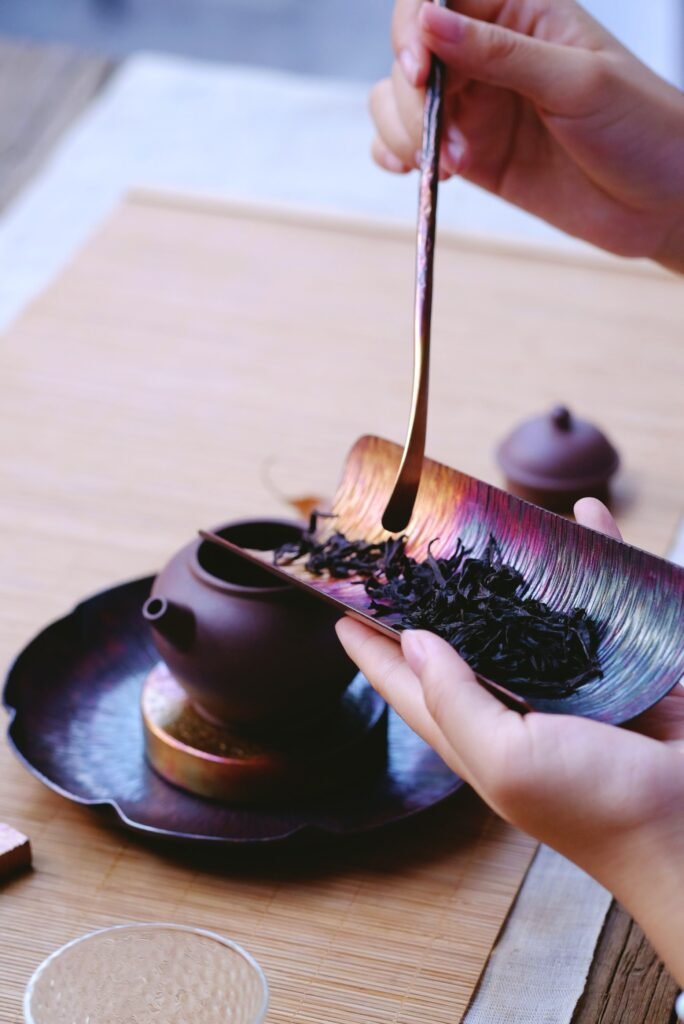
Interactive sessions offer hands-on learning, introducing participants to diverse teas and brewing methods.

Steps to a Tea-Enriched Journey

Exploring Different Tea Types

Education guides individuals through the nuances of various teas, from delicate greens to robust blacks.

Mastering Brewing Techniques

Learning optimal steeping methods ensures each cup of tea is brewed to perfection.

Learning About Terroir and Processing

Understanding terroir and processing methods reveals the impact on flavor profiles and quality.

Chai Education for Professionals

Tea Sommelier Training

Aspiring tea sommeliers undergo rigorous training to become experts in tea selection and pairing.

Tea Business Management

Education equips entrepreneurs with the skills needed to run successful tea-related businesses.

The Future of Chai Education

Digital Learning Platforms

Online courses and platforms make Chai education accessible to a wider audience globally.

Community and Collaboration

Chai education thrives through shared experiences, workshops, and collaborative learning.

Conclusion

Chai education is the key to unlocking a world of flavors, stories, and lifelong tea exploration.

FAQs

  1. Do I need prior knowledge to enroll in a Chai education program?
    • No, many programs cater to all levels, from beginners to advanced enthusiasts.
  2. How can Chai education benefit tea business owners?
    • Education empowers business owners to make informed decisions about sourcing, marketing, and customer engagement.
  3. Are there specific qualifications to become a tea sommelier?
    • Qualifications vary, but accredited programs offer certifications recognized in the industry.
  4. Is Chai education only for individuals looking to pursue a career in tea?
    • No, tea education is valuable for anyone seeking a deeper appreciation of tea’s complexities.
  5. How can I find reputable Chai education programs?
    • Research online, read reviews, and inquire within tea communities for recommendations.

Contact Details:- 9499347308

Visit Our Site:-zirconshop.in

Official YouTube Channel For Business :- Zircon Blogs
on

In the world of tea, where flavors and aromas captivate the senses, the role of a tea warehouse might not be as obvious as the steeping process, but it’s equally crucial. This article unveils the significance of tea warehouses in the tea supply chain, exploring their functions, benefits, and impact on delivering the finest teas to tea enthusiasts worldwide. Tea Warehouse: The Heart of the Tea Supply Chain.

Tea Warehouse

Introduction

Behind every cup of tea lies a well-organized network that starts at the tea plantation and leads to the heart of the tea supply chain – the tea warehouse.

The Essence of Tea Warehouses

Storing Tea in its Prime

Tea warehouses play a pivotal role in preserving the freshness and quality of tea leaves after harvest.

Ensuring Quality and Freshness

Proper storage prevents tea from losing its characteristic flavors and aromas, ensuring every cup is a delight.

Tea Warehouse Operations

Receiving and Inspection

Tea shipments undergo rigorous inspections upon arrival to verify quality and adherence to standards.

Storage and Preservation

Tea leaves are stored in controlled environments to prevent deterioration caused by external factors.

Packaging and Shipping

Tea warehouses prepare teas for global distribution, ensuring they reach consumers in pristine condition.

Benefits of Tea Warehouses

Facilitating Global Trade

Warehouses act as distribution hubs, enabling the seamless movement of teas across borders.

Maintaining Consistency

Tea batches are blended to maintain consistent flavor profiles, thanks to meticulous warehousing practices.

Minimizing Seasonal Impact

Tea harvests are seasonal, but warehouses allow tea enthusiasts to enjoy their favorite blends year-round.

Innovations in Tea Warehousing

Climate-Controlled Storage

Cutting-edge technology helps regulate temperature and humidity, ideal for preserving tea quality.

Digital Inventory Management

Advanced systems enable accurate tracking, ensuring teas are readily available when needed.

Sustainable Practices in Tea Warehousing

Reducing Carbon Footprint

Tea warehouses are adopting eco-friendly practices to minimize their impact on the environment.

Promoting Eco-Friendly Packaging

Sustainable packaging solutions help reduce waste and promote environmental responsibility.

Challenges Faced by Tea Warehouses

Temperature and Humidity Control

Maintaining optimal storage conditions in varying climates can be challenging.

Security and Pest Management

Protecting tea from pests and theft requires stringent security measures.

Conclusion

Tea warehouses are the unsung heroes ensuring that the world’s finest teas reach enthusiasts, cup after cup.

FAQs

  1. Can I visit a tea warehouse as a consumer?
    • Some tea warehouses offer guided tours to provide insight into their operations.
  2. Do tea warehouses only store loose tea leaves?
    • Tea warehouses can store loose leaves, tea bags, and other tea products, depending on their capacity.
  3. How do tea warehouses maintain consistency in flavor profiles?
    • Through blending different batches of tea, warehouses achieve consistent taste experiences.
  4. Are there any regulations governing tea warehousing practices?
    • Tea warehousing practices are often guided by industry standards and quality control measures.
  5. Do all tea warehouses use digital inventory management systems?
    • While digital systems are becoming more common, some warehouses may still rely on traditional methods.

Contact Details:- 9499347308

Visit Our Site:-zirconshop.in

Official YouTube Channel For Business :- Zircon Blogs