
Author: mukeshbishnoi

on

Tea is more than a beverage; it’s a cultural phenomenon that has captivated hearts and taste buds for centuries. In recent times, the fusion of tea culture and tourism has emerged as a fascinating way to explore the world’s diverse tea traditions. From the tranquil tea fields of Asia to the bustling tea markets of Africa, tea culture and tourism offer a journey that tantalizes the senses and enriches the soul. In this article, we delve into the enchanting world of tea culture and tourism, exploring its significance, immersive experiences, and the global impact it creates. Tea Culture and Tourism: Sipping the World’s Flavors.

Tea Culture and Tourism

Introduction

Tea culture and tourism open doors to a world where the spirit of tea meets the thrill of exploration.

Unveiling Tea’s Cultural Tapestry

The Essence of Tea Culture

Tea is a cultural treasure, embodying rituals, stories, and connections that transcend borders.

Cultural Exchange Through Tea

Tea culture and tourism foster cultural exchange, as travelers engage with local communities and their tea traditions.

Exploring Tea’s Global Reach

Tea’s journey spans continents, connecting regions through its cultivation, trade, and cultural significance.

Tea Tourism: A Sensory Expedition

From Plantation to Cup: The Tea Journey

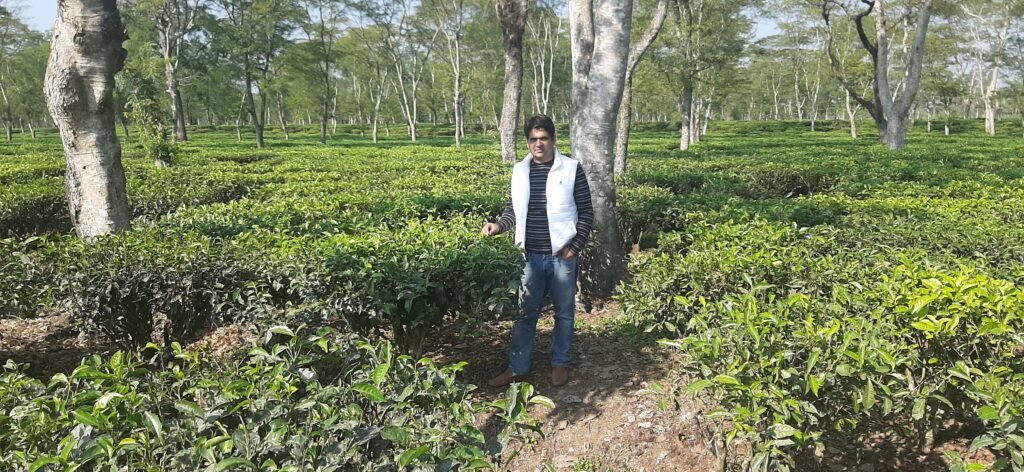
Travelers witness the complete lifecycle of tea, from plucking leaves in lush plantations to savoring a freshly brewed cup.

Immersive Tea Tasting Experiences

Tea tastings become sensory adventures, allowing tourists to explore diverse flavors, aromas, and brewing techniques.

Crafting Your Tea Adventure

Tea tourism offers flexibility, enabling travelers to design their own tea-focused itineraries, tailored to their preferences.

Tea and Traditions: A Glimpse into the Past

Ancient Tea Traditions

Tea culture and tourism offer glimpses into ancient traditions that have shaped societies and their daily rituals.

Traditional Tea Ceremonies

Travelers have the privilege of participating in traditional tea ceremonies, witnessing the elegance and depth of tea rituals.

Legacy of Tea in Modern Times

Modern tea culture pays homage to tradition while embracing innovation, creating a captivating blend of old and new.

Tea and Gastronomy: A Flavorful Fusion

Tea Pairing Dinners

Tea-themed gastronomy takes center stage, with restaurants offering innovative tea pairings that elevate dining experiences.

Tea-Infused Culinary Delights

Chefs infuse tea into culinary creations, adding a delightful twist to dishes and desserts.

Exploring Tea Mixology

Tea-based cocktails and mocktails become an art form, inspiring mixologists to craft unique and refreshing concoctions.

Tea and Wellness: Nurturing the Mind and Body

Tea Retreats and Meditation

Tea culture and tourism intersect with wellness, offering travelers opportunities for relaxation and rejuvenation.

Spa Experiences with Tea Elements

Spas integrate tea elements into treatments, harnessing tea’s natural properties for soothing therapies.

The Holistic Power of Tea

Travelers discover the holistic benefits of tea, from its calming effects to its antioxidant-rich properties.

Conservation and Sustainability

Preserving Tea Biodiversity

Tea culture and tourism contribute to the conservation of tea plant varieties and their genetic heritage.

Empowering Tea-Producing Communities

Sustainable tourism practices uplift local communities, ensuring fair economic opportunities and environmental stewardship.

Global Impact and Community Development

Economic Contribution of Tea Tourism

Tea tourism generates economic growth, creating jobs and supporting local businesses.

Cultural Preservation and Exchange

Communities benefit from cultural preservation efforts and exchange, fostering understanding and appreciation.

Conclusion

Tea culture and tourism form a harmonious blend that celebrates heritage, promotes well-being, and nurtures global connections.

FAQs

  1. What is tea culture and tourism?
    • Tea culture and tourism involve traveling to tea-producing regions to explore tea traditions, tastings, and experiences.
  2. Can I participate in traditional tea ceremonies during tea tourism?
    • Yes, many tea tourism packages include traditional tea ceremonies where travelers can immerse themselves in local rituals.
  3. Is tea tourism suitable for solo travelers?
    • Absolutely, tea tourism caters to solo travelers, couples, families, and groups, offering diverse experiences for all.
  4. Can I learn about tea cultivation during tea tourism?
    • Yes, visitors often have the opportunity to learn about tea cultivation, plucking, and processing directly from experts.
  5. How does tea tourism contribute to sustainability?
    • Tea tourism supports sustainable practices by promoting eco-friendly initiatives and supporting local communities.

Contact Details:- 9499347308

Visit Our Site:-zirconshop.in

Official YouTube Channel For Business :- Zircon Blogs

on

The tea industry stands as a testament to both tradition and innovation, captivating millions with its aromatic blends and cultural significance. From the lush plantations that stretch across rolling hills to the bustling markets that trade in leaves of various hues, the tea industry forms a crucial part of global commerce. In this article, we delve into the multifaceted world of the tea industry, exploring its historical roots, modern dynamics, economic impact, and the journey of tea from leaf to cup. Tea Industry: Brewing Success and Global Impact

Tea Industry

Introduction

The tea industry’s rich legacy and adaptability have earned it a prominent place in global markets.

Tracing the Origins of Tea

Ancient Beginnings of Tea

Tea’s history dates back to ancient civilizations, with its discovery credited to legends and tales of serendipitous encounters.

Spread of Tea Culture Across Continents

From Asia to Europe, tea’s journey crossed borders, becoming an integral part of cultures and rituals worldwide.

Evolution of Tea Varieties

Over time, tea evolved into an array of types, each with distinct flavors, aromas, and preparation methods.

Cultivation and Harvesting of Tea

Tea Plant Varieties

Different tea varieties, such as Camellia sinensis and Camellia assamica, yield unique flavors based on their growing conditions.

Stages of Tea Cultivation

Tea cultivation involves meticulous care, encompassing planting, nurturing, and tending to the tea bushes.

Art of Plucking Tea Leaves

Experienced tea pluckers selectively pick young leaves and buds, preserving the quality and character of the tea.

Processing and Production

Withering and Oxidation

Withering reduces moisture in the leaves, and oxidation determines the type of tea, from green to black.

Rolling and Shaping

Rolling twists and shapes leaves, influencing the tea’s aroma and taste during brewing.

Drying and Firing

Drying halts oxidation, setting the tea’s final flavor profile and shelf life.

Types of Tea and Their Characteristics

Green Tea

Known for its freshness and vibrant green hue, green tea is celebrated for its antioxidants and delicate taste.

Black Tea

Fully oxidized, black tea boasts robust flavors, making it a favorite for breakfast blends.

Oolong Tea

Oolong tea’s partial oxidation offers a spectrum of flavors, from floral and fruity to toasty and complex.

White Tea

The least processed, white tea’s delicate taste and subtle aromas evoke purity and serenity.

Herbal Tea

Herbal infusions, made from herbs, flowers, and fruits, offer caffeine-free options with various health benefits.

Global Tea Trade

Major Tea Producing Countries

Countries like China, India, Kenya, and Sri Lanka play pivotal roles in global tea production.

Tea Auctions and Exports

Tea auctions serve as platforms for producers and buyers to trade, shaping the industry’s economic landscape.

Economic Impact of the Tea Industry

Employment and Livelihoods

The tea industry provides employment to millions, particularly in tea-growing regions.

Contribution to GDP

Tea exports contribute significantly to the GDP of several countries, supporting economic growth.

Sustainability and Challenges

Sustainable Farming Practices

Efforts are underway to adopt sustainable practices that minimize environmental impact and ensure long-term viability.

Climate Change and Tea Industry

Climate change poses challenges to tea cultivation, influencing crop yields and quality.

Tea Blends and Flavored Varieties

Blending different tea types and infusing flavors create diverse and unique tea experiences.

Ready-to-Drink Teas

Convenience meets taste with ready-to-drink teas, capturing the essence of tea in portable formats.

Tea and Health

Research explores the health benefits of tea, from antioxidants to potential therapeutic properties.

Conclusion

The tea industry’s journey is a blend of tradition, innovation, and the magic of nature, enriching lives and cultures worldwide.

FAQs

  1. What are the major types of tea?
    • The major types of tea include green tea, black tea, oolong tea, white tea, and herbal tea.
  2. Which countries are prominent tea producers?
    • China, India, Kenya, and Sri Lanka are among the prominent tea-producing countries.
  3. How does tea contribute to a country’s economy?
    • Tea exports and employment in the tea industry contribute to a country’s GDP and economic growth.
  4. Are there challenges to tea cultivation?
    • Yes, climate change and sustainability are challenges faced by the tea industry.
  5. Is tea consumption linked to health benefits?
    • Research suggests that tea consumption may offer various health benefits due to its antioxidant content.

Contact Details:- 9499347308

Visit Our Site:-zirconshop.in

Official YouTube Channel For Business :- Zircon Blogs
on

Tea, a beverage that has captivated hearts and cultures for centuries, continues to intrigue researchers with its multifaceted properties. From unraveling the molecular composition of tea leaves to investigating its potential health benefits, tea research is an evolving realm that sheds light on the intricate relationship between nature, science, and human well-being. In this article, we delve into the world of tea research, exploring its diverse facets, breakthroughs, and the profound impact it has on our understanding of this beloved beverage.

Tea Research

Introduction

Tea research bridges the gap between tradition and modern science, uncovering the mysteries within each cup.

Unraveling the Chemistry of Tea

Components of Tea Leaves

Tea leaves are a complex tapestry of compounds, including polyphenols, catechins, flavonoids, and volatile aroma compounds.

Understanding Flavors and Aromas

Research delves into the chemical interactions that create the diverse flavors and aromas of different tea varieties.

Impact of Processing on Chemical Composition

Processing methods like oxidation and firing transform tea leaves, affecting their chemical composition and sensory profiles.

Health Benefits and Nutritional Value

Antioxidants in Tea

Tea’s rich antioxidant content is credited with various health benefits, from cellular protection to potential disease prevention.

Potential Effects on Heart Health

Research suggests that regular tea consumption may contribute to improved cardiovascular health.

Role in Metabolism and Weight Management

Certain compounds in tea are linked to metabolism enhancement and may support weight management efforts.

Tea’s Impact on Mental Well-being

Caffeine and L-Theanine Synergy

The combination of caffeine and L-theanine in tea may contribute to heightened focus and relaxation.

Stress Reduction and Cognitive Function

Tea’s potential to reduce stress and enhance cognitive function is a subject of ongoing research.

Cancer Prevention and Immune Support

Polyphenols and Their Anti-Cancer Properties

Polyphenols in tea, particularly catechins, are studied for their potential in preventing and inhibiting cancer growth.

Boosting Immunity Through Tea Consumption

Tea’s immune-boosting potential is attributed to its antioxidants and other bioactive compounds.

Environmental and Agricultural Research

Sustainable Farming Practices

Researchers explore sustainable cultivation methods that minimize environmental impact and maintain soil health.

Climate Change Resilience of Tea Plants

Studying tea plants’ adaptability to changing climates is vital for ensuring the longevity of tea cultivation.

Innovations and Emerging Trends

Functional Teas

Functional teas infused with additional health-promoting ingredients cater to evolving consumer preferences.

Biotechnology in Tea Improvement

Biotechnological advancements aim to enhance tea plant characteristics, yield, and resistance to pests and diseases.

Tea-Derived Compounds in Cosmetics

Tea-derived compounds, such as polyphenols, are finding applications in cosmetics for their potential skin benefits.

Global Collaboration in Tea Research

Research Institutes and Collaborative Projects

Numerous research institutes and collaborative efforts worldwide drive tea-related scientific advancements.

Sharing Knowledge Across Borders

Researchers and institutions collaborate to share findings, fostering a global community dedicated to tea research.

Challenges and Future Directions

Balancing Tradition and Scientific Advancement

Integrating scientific discoveries with traditional tea knowledge presents a unique challenge and opportunity.

Addressing Climate Change and Sustainability

Sustainability and climate change resilience are critical areas that require ongoing research and innovation.

Conclusion

Tea research is a journey of discovery that enriches our understanding of tea’s origins, composition, and potential benefits.

FAQs

  1. What are the main health benefits of tea?
    • Tea offers potential health benefits due to its antioxidant content, which may contribute to heart health, metabolism, and immunity.
  2. Can tea help with stress reduction?
    • Tea’s combination of caffeine and L-theanine may contribute to stress reduction and relaxation.
  3. Is tea being explored for its anti-cancer properties?
    • Yes, polyphenols in tea, such as catechins, are studied for their potential anti-cancer properties.
  4. How does tea research contribute to sustainability?
    • Tea research focuses on sustainable farming practices and addressing the challenges posed by climate change.
  5. What is the future direction of tea research?
    • The future of tea research involves balancing tradition and innovation, while also addressing climate change and sustainability challenges.

Contact Details:- 9499347308

Visit Our Site:-zirconshop.in

Official YouTube Channel For Business :- Zircon Blogs

on

Tea, a beverage that has transcended cultures and centuries, has woven a tapestry of connections that extend beyond the cup. At the heart of this intricate network are tea associations, organizations that unite tea enthusiasts, professionals, and industry stakeholders in a collective pursuit of knowledge, sustainability, and camaraderie. In this article, we explore the dynamic landscape of tea associations, their pivotal role in shaping the tea industry, and the invaluable resources they offer to both connoisseurs and novices alike. Tea Associations: Nurturing a Global Tea Community.

Tea Associations

Introduction

Tea associations serve as bridges that connect tea lovers, professionals, and stakeholders, fostering a sense of unity within the tea community.

The Evolution of Tea Associations

Origins and Historical Significance

Tea associations trace their roots back to ancient times, when they played a vital role in trade, cultural exchange, and knowledge dissemination.

Modern-Day Tea Organizations

Contemporary tea associations continue the legacy of their predecessors, catering to a global audience with diverse interests and expertise.

Promoting Knowledge and Education

Conferences, Seminars, and Workshops

Tea associations organize events that bring together experts and enthusiasts, facilitating the exchange of ideas, research findings, and industry trends.

Training Programs for Industry Professionals

Education remains a cornerstone, with tea associations offering specialized courses for tea sommeliers, tasters, and industry professionals.

Safeguarding Quality and Standards

Certifications and Best Practices

Tea associations establish guidelines and certifications that uphold quality standards, ensuring that tea lovers enjoy authentic and safe products.

Role in Ensuring Authenticity

In an era of counterfeit products, tea associations play a pivotal role in certifying the origin, quality, and authenticity of teas.

Advancing Sustainability Practices

Environmental Initiatives and Research

Tea associations take a proactive stance on sustainability, funding research and projects that promote environmentally friendly practices.

Supporting Ethical and Sustainable Sourcing

By advocating fair trade and ethical sourcing, tea association contribute to the welfare of tea-growing communities and the planet.

Fostering Global Connections

Networking Events and Collaborations

Tea associations organize networking events, creating opportunities for tea enthusiasts and industry professionals to connect and collaborate.

Strengthening Cross-Cultural Bonds

Global tea associations cultivate mutual respect and understanding among diverse cultures through shared appreciation for tea.

Advocating for the Tea Industry

Policy Influence and Representation

Tea associations act as advocates, voicing concerns and influencing policies that impact the tea industry’s growth and sustainability.

Addressing Industry Challenges

Associations tackle challenges like climate change, labor issues, and market dynamics by facilitating discussions and implementing solutions.

Digital Platforms and Online Communities

Tea Alliance embrace digitalization, engaging tea lovers through social media, webinars, and virtual events.

Utilizing Technology for Outreach

Association leverage technology to reach wider audiences, making tea education and resources more accessible than ever before.

Challenges and Opportunities

Balancing Tradition and Modernity

Tea Alliance navigate the delicate balance between preserving tea traditions and embracing innovation.

Adapting to Changing Consumer Preferences

Alliance respond to evolving consumer demands by promoting new tea experiences while honoring traditional brewing methods.

Conclusion

Tea Alliance stand as pillars of unity and progress, enriching the tea community with knowledge, camaraderie, and sustainable practices.

FAQs

  1. Who can benefit from joining a tea association?
    • Tea enthusiasts, professionals, tea farmers, traders, and anyone passionate about tea can benefit from joining tea associations.
  2. What role do tea association play in sustainability?
    • Tea associations drive sustainability by promoting ethical sourcing, environmental initiatives, and sustainable farming practices.
  3. How can tea association influence policies?
    • Tea associations have a collective voice that can advocate for policy changes by engaging with governments and industry stakeholders.
  4. Are online communities replacing traditional tea gatherings?
    • Online communities complement traditional gatherings, offering a global platform for sharing knowledge and fostering connections.
  5. How do tea association contribute to cultural exchange?
    • Tea associations organize events that bring together individuals from diverse cultures, fostering cross-cultural understanding and appreciation.

Contact Details:- 9499347308

Visit Our Site:-zirconshop.in

Official YouTube Channel For Business :- Zircon Blogs