
Author: mukeshbishnoi

on

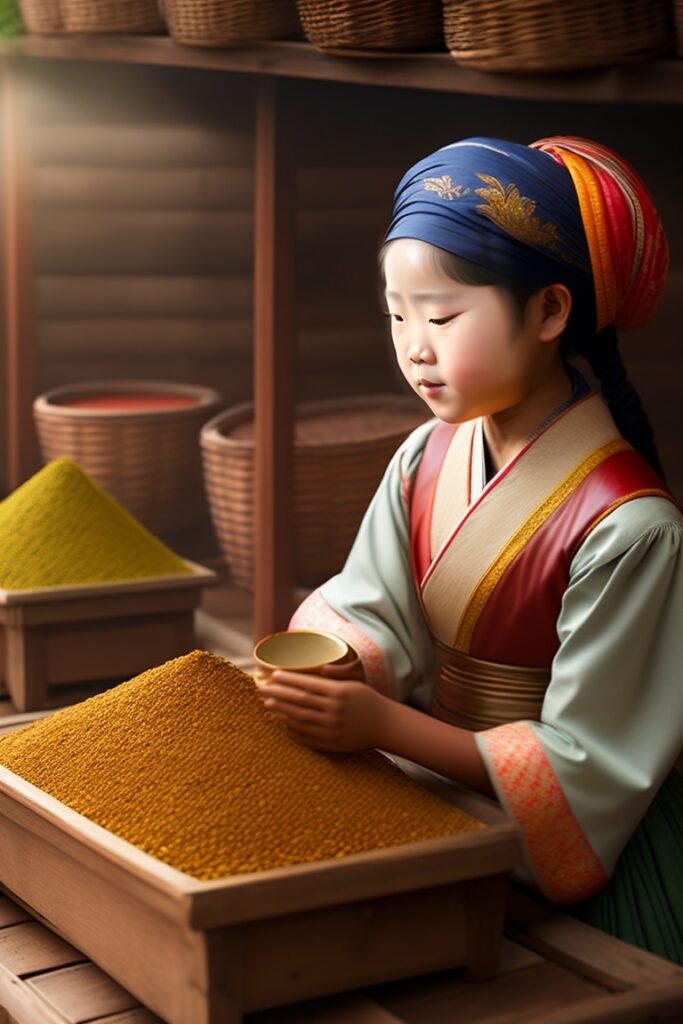
In a world where cultures converge over shared cups of warmth and flavor, the international tea market stands as a testament to the global unity brought forth by a simple yet profound beverage. From the tranquil tea gardens of Asia to the bustling tea houses of Europe, the international tea market paints a vivid tapestry of flavors, trade relations, and cultural exchanges. This article delves into the nuances of the international tea market, examining its trends, challenges, and growth prospects that shape the way we sip and savor tea across borders. Exploring the Dynamics of the International Tea Market: Trends, Challenges, and Growth Opportunities
international tea market

Introduction

The aroma of steeping tea leaves transcends geographical boundaries, uniting tea enthusiasts worldwide. The international tea market, a bustling hub of trade and cultural exchange, plays a pivotal role in making this unity possible. From the foothills of China to the plantations of Kenya, the journey of tea from leaf to cup is a testament to human connection and shared experiences.

The Global Appeal of Tea: A Historical Perspective

Tea’s journey dates back to ancient times, when it was first discovered in China. Its popularity soon spread along the ancient Silk Road, reaching different corners of the world. From Japan’s delicate matcha rituals to Britain’s afternoon tea traditions, the global appeal of tea is steeped in history and culture.

Tea Varieties and Their Global Footprint

Exploring Classic Black Teas

Black tea, with its robust flavors and invigorating qualities, has been a staple in many cultures. Assam tea from India, Ceylon tea from Sri Lanka, and Keemun tea from China are among the classic black teas that have earned a permanent place in the hearts of tea enthusiasts worldwide.

The Rise of Green and White Teas

Green tea’s earthy undertones and health benefits have propelled its popularity across the globe. Meanwhile, delicate white teas, known for their subtlety and purity, have also found their niche among those who appreciate the art of tea craftsmanship.

Specialty and Herbal Teas: A World of Possibilities

The international tea market has witnessed an explosion of specialty and herbal teas. From chamomile to hibiscus, chai to matcha, these teas cater to diverse tastes and preferences, reflecting the multicultural landscape of tea consumption.

Trade Relations and the Complexities of International Tea

Traditional Tea Exporting Nations

Nations like China, India, Sri Lanka, and Kenya have historically been key players in tea production and trade. Their teas have set benchmarks for quality and flavor, shaping global tea preferences for generations.

Emerging Players in the Global Market

In recent years, countries like Japan, Taiwan, and even Nepal have emerged as contenders in the international tea market. Their unique teas, often steeped in local traditions and terroirs, bring novel flavors to the global stage.

Consumer Preferences and the Melting Pot of Tea Culture

The Role of Cultural Diversity

Tea’s ability to adapt to cultural contexts is a testament to its versatility. It seamlessly blends into rituals, ceremonies, and daily routines across cultures, creating a universal bond.

Adapting to Modern Lifestyles

In the modern era, tea has evolved to meet the demands of fast-paced lives. Ready-to-drink teas, tea bags, and innovative tea-based beverages cater to convenience-seeking consumers without compromising on flavor.

Challenges and Opportunities in the Global Tea Industry

Sustainability and Ethical Sourcing

As consumers become more conscious of their choices, sustainability and ethical sourcing have taken center stage. The tea industry faces the challenge of ensuring environmental responsibility and fair labor practices.

The international tea market is not immune to trends. From health-focused superfoods to unique tea blends, industry players must stay agile to keep up with evolving consumer preferences.

Innovation and Technology: Shaping the Tea Industry’s Future

Innovation has revolutionized the tea industry, from modernized harvesting techniques to precision-controlled processing. Technology ensures that the essence of tea remains intact while increasing efficiency.

The Rising Importance of Certification and Quality Assurance

Certifications like Fair Trade and Organic have gained prominence, assuring consumers of responsible production practices. Quality assurance not only safeguards consumer health but also supports the livelihoods of tea-producing communities.

Future Projections and the Continuation of Tea’s Global Odyssey

The journey of tea is far from over. With increasing consumer awareness and a growing appreciation for the nuances of tea, the international tea market is poised for continued growth and diversification.

Conclusion

As we sip on our favorite brews, we become part of a global legacy—a legacy that spans cultures, continents, and centuries. The international tea market is not just about commerce; it’s about bridging gaps, fostering connections, and celebrating the diverse flavors that unite us all.

FAQs

  1. Is tea consumption uniform across different cultures? No, tea consumption varies widely across cultures, reflecting unique traditions and preferences.
  2. What are some emerging tea trends in the international market? Emerging trends include the rise of specialty teas, sustainable sourcing, and the fusion of tea with culinary experiences.
  3. How does technology impact the tea industry? Technology enhances efficiency in tea production, ensuring consistency while accommodating modern demands.
  4. Are there any health benefits associated with different types of tea? Yes, different types of tea offer various health benefits, from antioxidants in green tea to relaxation effects in herbal teas.
  5. What role does innovation play in the global tea market? Innovation drives product diversification, quality improvement, and sustainability efforts in the tea industry.

Contact Details:- 9499347308

Visit Our Site:-zirconshop.in

Official YouTube Channel For Business :- Zircon Blogs
on

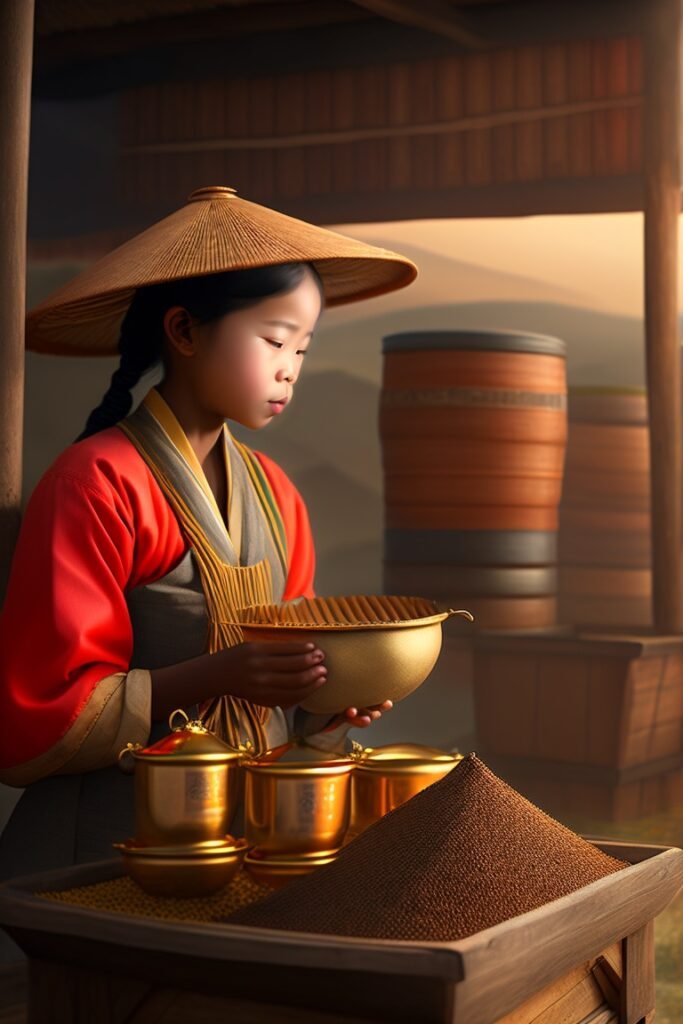
Tea, a beverage that has been steeped in tradition for centuries, is now riding the waves of modernization and globalization. The tea market, once characterized by conventional offerings, is experiencing a transformation driven by changing consumer preferences, sustainability concerns, and innovative blends. In this article, we delve into the dynamic landscape of the tea market, exploring its trends, challenges, and the exciting prospects that lie ahead.

Tea Market

Introduction

Tea, once revered as a simple beverage, has evolved into an industry that embraces complexity and diversity. The tea market, as we know it today, mirrors the changing preferences and lifestyles of consumers worldwide.

A Glimpse into the Global Tea Market

The global tea market, spanning continents and cultures, is a tapestry woven with tradition, innovation, and a myriad of flavors. From the strong brews of Assam in India to the delicate infusions of Japan, the diversity of tea offerings reflects the unique identities of tea-producing regions.

The Rise of Specialty Teas

Exploring Artisanal and Organic Varieties

Artisanal and organic teas have emerged as stars in the tea market. These teas offer not just flavors but stories—stories of meticulous cultivation, traditional processing methods, and a commitment to sustainable practices that resonate with environmentally conscious consumers.

Fusion of Flavors: Tea Blends and Infusions

The blending of tea leaves with fruits, spices, and herbs has given rise to a new era of tea exploration. Blends like chai latte, floral-infused oolongs, and exotic fruit teas entice consumers with exciting combinations that tantalize the palate.

Consumer Preferences: Health, Convenience, and Experience

Wellness Benefits: Green, Herbal, and Functional Teas

The quest for healthier lifestyles has led to the popularity of teas known for their wellness benefits. Green tea, rich in antioxidants, and herbal teas like chamomile and peppermint, celebrated for their soothing effects, are favored for their potential health contributions.

Convenience in a Cup: Ready-to-Drink and Instant Teas

In a fast-paced world, convenience matters. Ready-to-drink and instant tea options offer consumers the luxury of enjoying their favorite brews on the go, without compromising on flavor or quality.

Sustainability and Ethical Sourcing

Eco-Friendly Practices in Tea Cultivation

Sustainability has become a driving force in the tea industry. From biodynamic farming methods to reducing carbon footprints, tea producers are adopting practices that nurture both the earth and the tea leaves it yields.

Empowering Tea Communities Through Fair Trade

Fair trade initiatives empower tea-growing communities by ensuring fair wages and humane working conditions. As consumers become more conscious of the origins of their products, fair trade certification plays a vital role in shaping purchase decisions.

Challenges Faced by the Tea Industry

Navigating Fluctuating Demand and Supply

The tea market’s success is often intertwined with unpredictable weather conditions, affecting harvests and supplies. The challenge lies in maintaining a balance between demand and supply while preserving the integrity of the tea.

Balancing Tradition and Innovation

For an industry steeped in tradition, embracing innovation can be a delicate dance. Striking a balance between traditional practices and modern techniques is crucial to meeting evolving consumer expectations.

Innovations in Tea Production and Consumption

High-Tech Tea Processing

Advancements in technology have revolutionized tea production. From mechanized plucking to precision-controlled fermentation, technology ensures consistent quality and efficient production.

Tea Experiences in the Digital Age

The digital realm offers new avenues for tea experiences. Virtual tea tastings, online tea communities, and tea subscription services connect tea enthusiasts globally, creating a vibrant virtual teashop.

Globalization and the Tea Market

The globalization of the tea market has expanded its reach to new territories. Cultures are merging, flavors are harmonizing, and consumers are being introduced to teas that were once oceans away.

Future Horizons: What Lies Ahead for the Tea Market

The future of the tea market is a tapestry woven with innovation, sustainability, and cultural appreciation. As consumers demand transparency, quality, and unique experiences, the industry is poised to embrace a new era of tea exploration.

Conclusion

The tea market, like the beverage itself, is a blend of tradition and transformation. As tea transcends borders and cultures, its journey from leaf to cup continues to captivate and evolve, inviting us all to savor not only its flavors but also the stories it carries.

FAQs

  1. Is there a difference between loose-leaf tea and tea bags? Yes, loose-leaf tea offers more room for tea leaves to unfurl, resulting in a richer flavor profile compared to tea bags.
  2. Are herbal teas caffeine-free? Most herbal teas are naturally caffeine-free, making them a popular choice for those looking to avoid caffeine.
  3. Can I recycle tea packaging? Many tea companies are embracing eco-friendly packaging. Check the packaging for recycling symbols or information.
  4. What is the best way to brew loose-leaf tea? Brewing loose-leaf tea in a tea infuser or teapot allows the leaves to expand fully, resulting in a more flavorful cup.
  5. How can I explore unique tea blends? Many tea shops offer sample packs or curated collections that allow you to explore a variety of tea blends.

Contact Details:- 9499347308

Visit Our Site:-zirconshop.in

Official YouTube Channel For Business :- Zircon Blogs
on

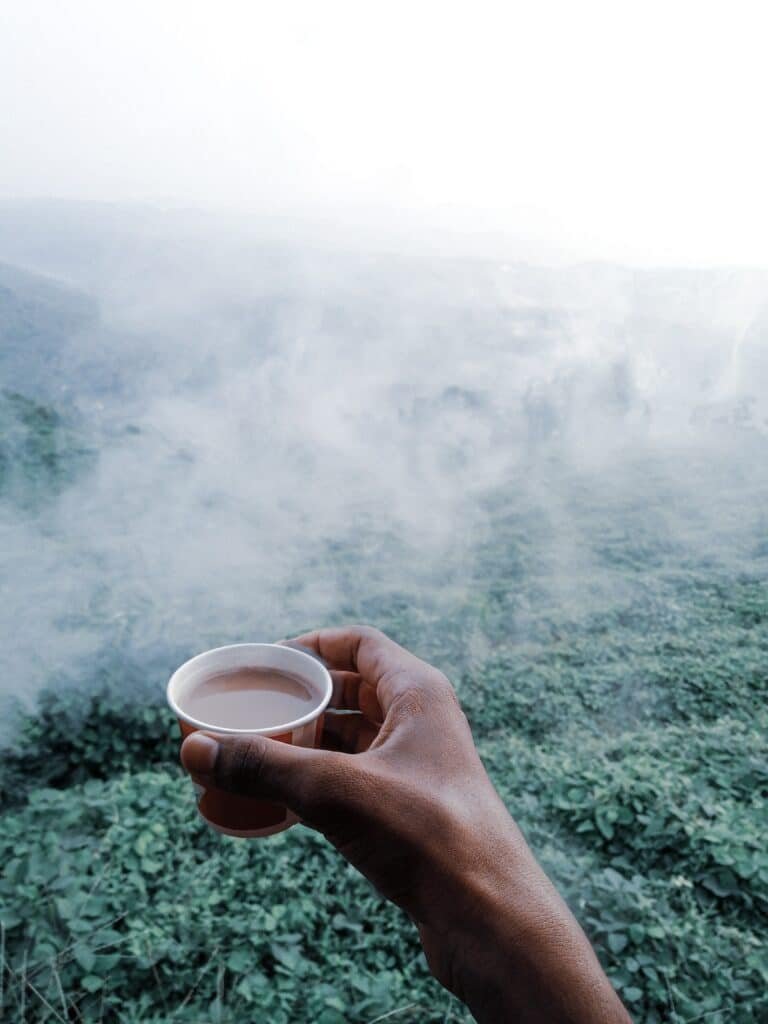
There’s a world of flavors and aromas nestled within a cup of tea, waiting to be explored. The journey begins not just with steeping leaves, but with the art of tea selection—a process that invites us to discover our preferences, embrace variety, and experience the stories each tea has to tell. In this article, we’ll dive into the intricacies of selecting the perfect tea, unraveling the layers of choices that lead to a truly satisfying sip. Navigating the Art of Tea Selection: From Leaves to Liberation

Tea Selection

Introduction

The world of tea is a universe of diversity, from soothing herbal infusions to robust black teas. Selecting the right tea is a journey that engages all our senses, leading us to explore the nuances that make each cup a unique experience.

Understanding Tea Types: From Camellia Sinensis to Herbal Infusions

The Spectrum of Camellia Sinensis

Tea originates from the Camellia sinensis plant. Its leaves give birth to a spectrum of teas, including black, green, oolong, and white teas. The variation in processing techniques results in distinct flavors and characteristics.

The Allure of Herbal Infusions

Herbal teas, or tisanes, offer a different experience altogether. These caffeine-free infusions are created using a variety of herbs, flowers, spices, and fruits. They provide a canvas for endless experimentation.

The Influence of Terroir on Tea

Tea Gardens Around the World

Tea’s journey begins in tea gardens around the world, where environmental factors and cultivation practices shape its personality. Each region’s tea has a story to tell, from the misty slopes of Darjeeling to the sun-kissed fields of Kenya.

The Dance of Climate and Flavor

Climate and altitude play a pivotal role in flavor development. Cooler climates often yield teas with delicate and nuanced flavors, while warmer regions produce bolder and robust profiles.

Grading and Quality: Deciphering Tea Labels

The Art of Tea Grading

Tea grading categorizes leaves based on factors like leaf appearance, size, and quality. While it provides a rough guide, the best indicator of a tea’s quality is often found in its taste.

Reading Between the Lines

Understanding tea labels can be a nuanced task. Terms like “single estate,” “organic,” and “artisanal” offer insights into the tea’s origin, production methods, and uniqueness.

Personal Preferences: Unveiling Your Tea Profile

Embracing Flavor Profiles

Tea selection is an opportunity to discover flavor profiles that resonate with your palate. Whether you’re drawn to the briskness of a black tea or the vegetal notes of a green tea, your preferences are your guide.

The Ritual of Tea Preparation

The act of preparing tea is a ritual that heightens the experience. From the gongfu cha of China to the traditional chai-making of India, each culture’s approach enhances the connection between tea and the self.

Exploring Tea Blends: Where Tradition Meets Creativity

Traditional Blends with a Twist

Classic tea blends, like English Breakfast and Masala Chai, have stood the test of time. Contemporary twists on these blends introduce new dimensions while paying homage to tradition.

Crafting Your Own Blend

Adventurous tea enthusiasts can embark on a journey of tea blending. Combining different teas, herbs, and spices allows you to create a cup that’s uniquely yours.

Sourcing Sustainably: The Ethical Side of Tea Selection

Sustainability has become a key consideration for conscientious consumers. Ethical sourcing ensures that tea producers are treated fairly, ecosystems are preserved, and communities benefit.

The Role of Packaging in Tea Preservation

Packaging is more than aesthetics—it’s about preserving the freshness and flavor of your tea. Airtight, light-resistant packaging helps tea maintain its character over time.

Tea Selection in the Digital Age: Online vs. In-Person

The digital age offers both convenience and challenges for tea selection. Online platforms provide access to a wide range of teas, while in-person experiences allow you to engage your senses.

Conclusion

The journey of tea selection is a profound one. It’s a journey of self-discovery, cultural exploration, and the joy of savoring the little moments. With every cup you brew, you invite the world of tea into your life, one sip at a time.

FAQs

  1. Can I brew different types of tea using the same method? While some general guidelines apply, each type of tea benefits from specific brewing methods tailored to its characteristics.
  2. Are loose-leaf teas better than tea bags? Loose-leaf teas often offer a richer and more complex flavor profile compared to tea bags.
  3. How can I find the perfect tea for me? Experimentation is key. Trying a variety of teas and paying attention to what resonates with your taste buds will guide you.
  4. What is the significance of tea rituals in different cultures? Tea rituals are a way of connecting with traditions, mindfulness, and community. They enhance the overall tea experience.
  5. Is it possible to overbrew or underbrew tea? Yes, both overbrewing and underbrewing can affect the taste of tea. Following recommended steeping times and temperatures is essential.

Contact Details:- 9499347308

Visit Our Site:-zirconshop.in

Official YouTube Channel For Business :- Zircon Blogs
on

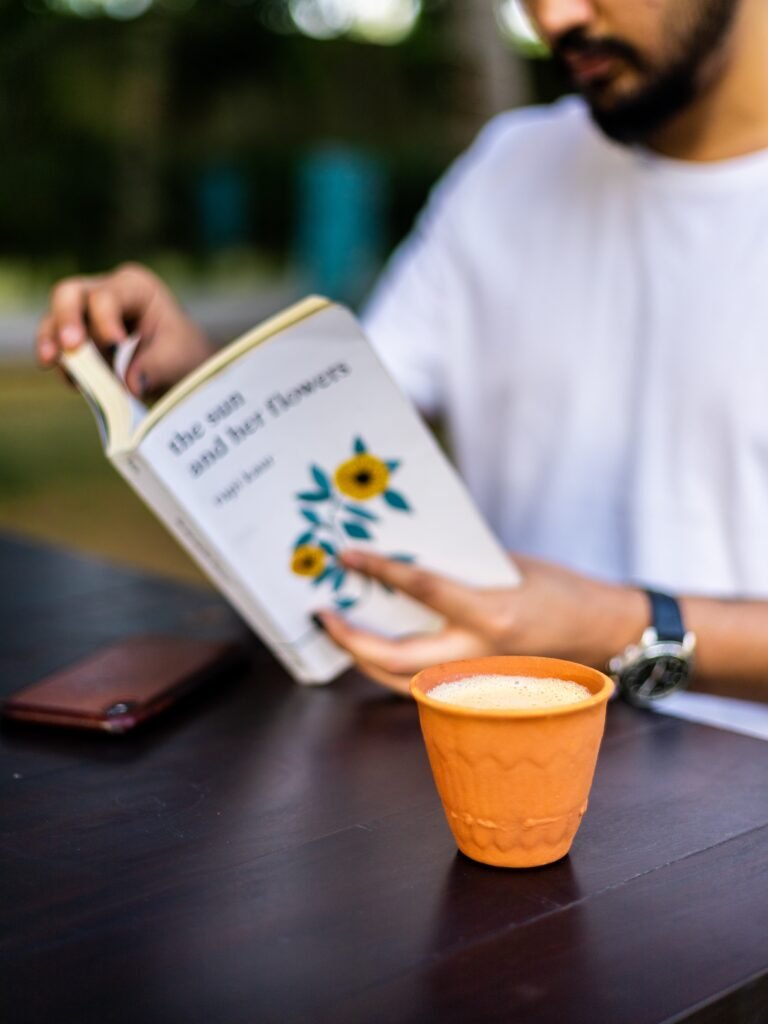
In the hustle and bustle of modern life, there’s a time-honored tradition that offers a pause, a moment of respite—tea More than just a beverage break, tea time is a cherished ritual that brings people together, nourishes the soul, and allows us to savour the present moment. In this article, we’ll delve into the art of tea , exploring its cultural significance, the magic of tea ceremonies, and the ways in which it fosters connections and well-being.

Tea Time

Introduction

Tea is a gentle reminder to slow down, step away from the chaos, and indulge in a ritual that soothes the senses. Beyond the cup, it’s a journey that offers comfort, connection, and a momentary escape from the demands of life. Tea : A Ritual of Relaxation and Connection

The Essence of Tea Time: More Than Just a Break

A Pause Amidst Chaos

Tea is not merely a break; it’s a pause that allows us to recalibrate our minds, centre our thoughts, and embrace a moment of tranquilly.

Nourishment for the Soul

Beyond the physical refreshment, tea offers emotional nourishment—a gentle hug for the soul that provides comfort and solace.

Cultural Traditions: A Global Tapestry of Tea

The Tranquilly of Japanese Tea Ceremonies

Japanese tea ceremonies, known as “chanoyu” or “sado,” are a celebration of mindfulness, aesthetics, and grace. They invite participants to appreciate each gesture and sip.

The Elegance of English Afternoon Tea

English afternoon tea, characterised by delicate sandwiches, scones, and pastries, is a celebration of elegance and camaraderie. It’s an opportunity to indulge in refined flavours and engage in meaningful conversations.

The Ritual of Tea Preparation: A Mindful Dance

Choosing the Perfect Tea

Tea begins with the selection of the right tea—a choice that aligns with your mood, the occasion, and your palate’s cravings.

The Meditative Process of Brewing

The act of brewing tea is a meditative dance. It demands attention, intention, and a connection with the present moment.

Tea Time as a Social Glue: Connection Over Cups

Sharing Stories and Creating Memories

Tea creates a space for connection. It’s a canvas where stories are shared, laughter is echoed, and bonds are strengthened.

Tea Time in the Digital Age

Even in a digital era, tea time maintains its role as a connector. Virtual tea sessions bridge geographical gaps and unite hearts across screens.

The Mind-Body Connection: Wellness Benefits of Tea Time

Unwinding and Relaxation

Tea’s warmth and aromas have a soothing effect, allowing tensions to melt away and relaxation to seep in.

Mindfulness and Mental Well-Being

Tea is a gateway to mindfulness. It encourages us to engage all our senses, anchoring us to the present and promoting mental well-being.

Tea Time Accessories: Elevating the Experience

Teapots, Cups, and Infusers

Elegant teapots, delicate cups, and efficient infusers are more than accessories—they’re vessels that enhance the tea experience.

The Art of Tea Tray Arrangements

Tea trays are a canvas for creativity. Arranging teapots, cups, and treats is an art that adds visual appeal to the ritual.

Tea Time Etiquette: Grace, Poise, and Respect

Embracing Tea Etiquette

Tea etiquette is rooted in respect, grace, and an appreciation for the ritual. It invites us to savour each moment with mindfulness.

Reviving the Art of Tea : A Modern Perspective

Carving Out Moments of Serenity

In a world of constant motion, carving out moments for tea is a gift we give ourselves. It’s an act of self-care that replenishes our spirits.

Conclusion

Tea is a reminder that life’s beauty lies in the moments we pause to savour. Whether shared with loved ones or enjoyed in solitude, it’s a ritual that invites us to embrace the magic of simplicity, connection, and the gentle embrace of a cup of tea.

FAQs

  1. What’s the best time for tea? Tea can be enjoyed at any time that suits your schedule and mood. Traditionally, it’s often in the mid-morning or afternoon.
  2. Can I have tea time alone? Absolutely! Tea is a personal ritual, and enjoying it alone can be a peaceful and introspective experience.
  3. Do different cultures have different teatime traditions? Yes, tea traditions vary across cultures, reflecting unique customs, ceremonies, and approaches to the ritual.
  4. What’s the significance of the tea cup used during tea? The tea cup is a vessel that holds more than tea—it holds emotions, stories, and memories. Choosing a cup that resonates with you adds to the experience.
  5. How can I make my tea time more special? You can make tea special by setting a serene environment, choosing teas you love, experimenting with different blends, and engaging in the moment without distractions.

Contact Details: 9499347308

Visit Our Site:-zirconshop.in

Official YouTube Channel For Business :- Zircon Blogs