
Author: mukeshbishnoi

on

Introduction: In the bustling world of tea, there’s a special place where flavor takes center stage and every cup tells a unique story – the Tea Bazaar. Step into a realm of taste, aroma, and cultural exploration as we delve into the enchanting world of Tea Bazaar, where every sip unveils a world of flavor. Tea Bazaar: Where Every Sip Unveils a World of Flavor
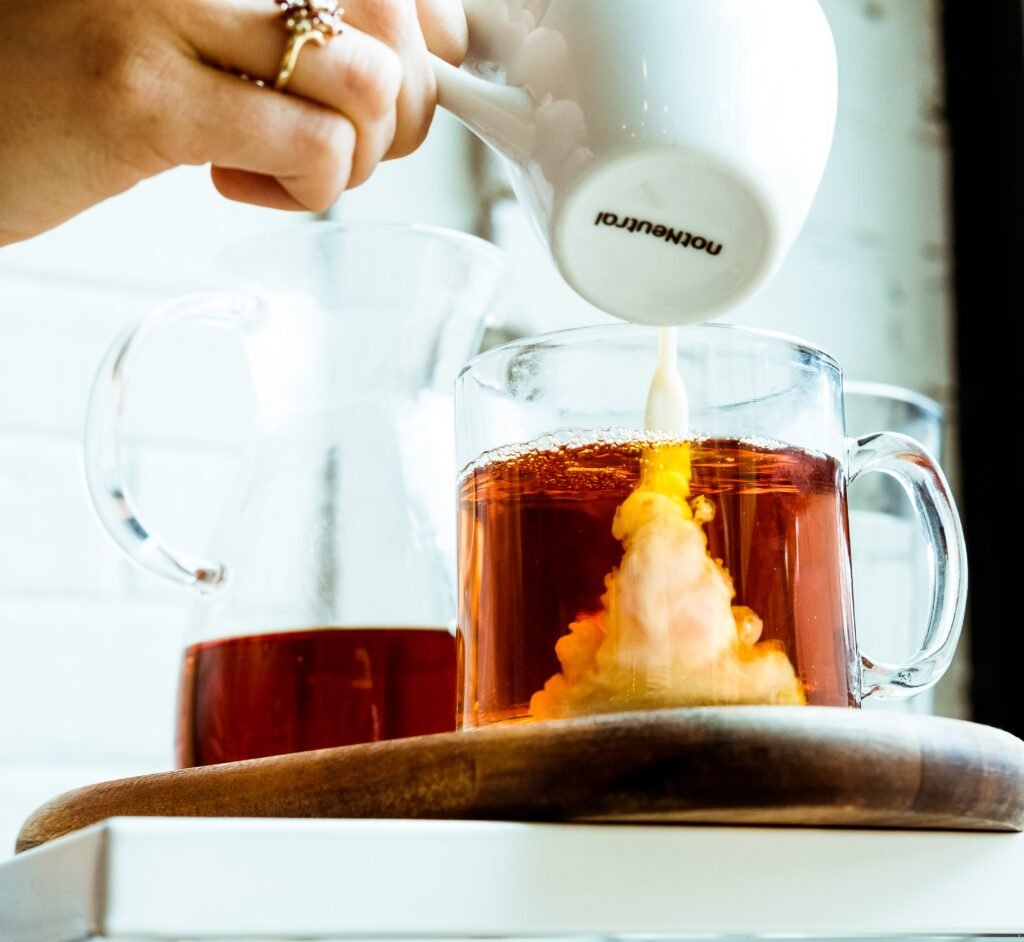
Tea Bazaar:

Exploring the Flavorful Marketplace

Tea Bazaars are more than just marketplaces; they are hubs of culture, tradition, and discovery. These bustling centers bring together tea enthusiasts, artisans, and connoisseurs from around the world to celebrate the beauty of tea. Each stall in the market is a gateway to a different tasting journey, inviting you to explore their diverse range of teas and infusions.

The Aroma of Tradition: Tea Bazaar Ambiance

As you step into a Tea Bazaar, the rich aroma of teas fills the air, creating an ambiance that’s both comforting and exciting. The colorful displays of tea leaves, unique tea blends, and brewing accessories add to the sensory experience, transporting you to a world of taste and aroma.

Diverse Flavors, Endless Choices

Tea Bazaars are a treasure trove of flavors, offering an array of teas that cater to every palate. From the boldness of black teas to the delicate nuances of white and green teas, the choices are endless. Exotic infusions like fruity tisanes and fragrant herbal blends add a touch of adventure to your tea journey.

Tea Masters and Artisans: Guiding the Way

At the heart of the Tea Bazaar are the tea masters and artisans who are passionate about their craft. They curate unique blends, sharing their expertise and knowledge with visitors. Engaging with these experts not only enhances your tea education but also enriches your overall experience.

Cultural Exchange: Connecting through Tea

Tea Bazaars are melting pots of cultures and traditions. They provide a platform for tea enthusiasts to connect with fellow lovers of the beverage, share stories, and exchange ideas. The global appeal of tea transcends boundaries and brings people together in a harmonious celebration of flavor.

Tea Workshops and Tastings: A Journey of Discovery

Tea Bazaars often host workshops, tastings, and events that allow visitors to deepen their understanding of tea. From learning about brewing techniques to exploring the art of tea pairing, these experiences offer a journey of discovery and growth.

Ethical Sourcing and Sustainability

Many Tea Bazaars emphasize ethical sourcing and sustainability. They collaborate with tea growers who prioritize eco-friendly practices, ensuring that the teas showcased are not only delicious but also mindful of the environment and the communities involved.

Conclusion

Tea Bazaars are more than just marketplaces; they are gateways to a world of flavor, culture, and shared experiences. Each visit is an opportunity to immerse yourself in the enchanting world of tea, to connect with like-minded individuals, and to savor the diverse flavors that our planet has to offer. So, the next time you step into a Tea Bazaar, allow yourself to be carried away by the aroma, the taste, and the stories that each cup holds. Let the Tea Bazaar be your passport to a journey of flavor and discovery, where every sip tells a tale waiting to be savored.

Contact Details

Calling & Whatsapp No:- 9499347308

Email: info@zirconshop.in

Visit Our Site:-zirconshop.in

Official YouTube Channel For Business :- Zircon Blogs
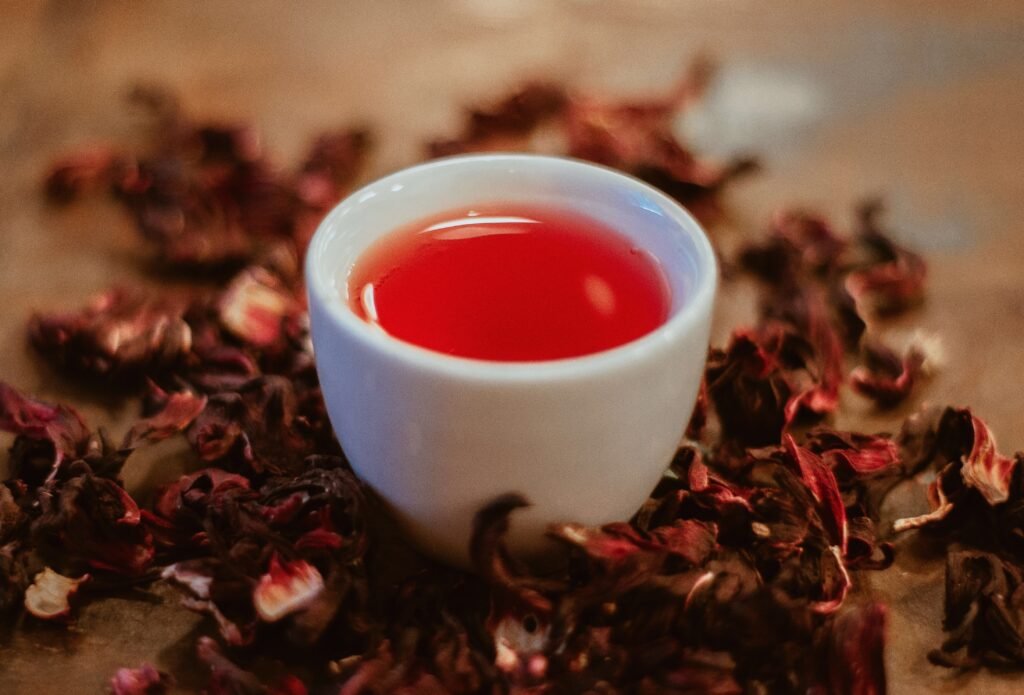
on

Introduction: Tea, often referred to as India’s national beverage, has woven itself into the fabric of the nation’s culture. Beyond its cultural significance, the Indian tea market is a dynamic realm that reflects changing consumer preferences, global trade, and a blend of tradition and innovation. Join us on a journey as we delve into the intricate tapestry of the Indian Tea Market, where tradition meets modernity and flavors converge. Exploring the Dynamic Landscape of the Indian Tea Market

Indian Tea Market

India: The Global Tea Powerhouse

India’s relationship with tea dates back to colonial times when the British introduced tea cultivation to the northeastern region. Since then, India has become one of the world’s largest tea producers, catering not only to its domestic market but also to international consumers.

Diverse Flavors: A Glimpse into India’s Tea Varieties

The Indian tea market offers an impressive array of tea varieties, each with its unique characteristics. From the robust Assam black teas to the fragrant Darjeeling and the delicate Nilgiri teas, every cup tells a story of the region’s terroir and craftsmanship.

Chai: A Cultural Phenomenon

In the midst of India’s tea diversity, “chai” holds a special place. This spiced tea preparation, a blend of black tea leaves, milk, sugar, and spices, is an integral part of everyday life for millions of Indians. The chai culture transcends socio-economic backgrounds and unites people over conversations and shared moments.

The Modern Indian Tea Consumer

As India’s urban population grows, so does the demand for innovative tea experiences. The modern Indian tea consumer seeks not only traditional teas but also unique blends, herbal infusions, and wellness teas. This shift has led to the emergence of specialty tea shops and artisanal blends.

Tea Cafés and E-Commerce: A Blend of Tradition and Modernity

Tea cafés have become trendy destinations where consumers can explore a diverse range of teas in a contemporary setting. Simultaneously, the rise of e-commerce platforms has made it easier for tea enthusiasts to access a wide selection of teas from the comfort of their homes.

Sustainability and Ethical Practices

In recent years, there has been a growing emphasis on sustainability and ethical practices within the Indian tea industry. Many tea estates are adopting organic farming methods, promoting fair labor practices, and prioritizing environmental conservation.

Global Trade and India’s Tea Exports

India’s tea exports contribute significantly to the country’s economy. Indian teas are cherished by tea lovers around the world, and the country ranks among the top tea-exporting nations, showcasing the richness and diversity of its tea offerings.

Conclusion

The Indian tea market is a tapestry woven with tradition, innovation, and flavors that have evolved over centuries. As you take a sip of your favorite Indian tea, whether it’s a fragrant Darjeeling or a comforting cup of chai, remember that each cup carries the legacy of generations of tea artisans, the spirit of cultural exchange, and the dynamic interplay of a market that’s as diverse as the nation it represents. In the ever-evolving landscape of the Indian tea market, there’s a cup for every palate, a story in every brew, and an opportunity to embrace the harmonious blend of tradition and modernity.

Contact Details

Calling & Whatsapp No:- 9499347308

Email: info@zirconshop.in

Visit Our Site:-zirconshop.in

Official YouTube Channel For Business :- Zircon Blogs

on

Introduction: Tea, with its diverse flavors and global appeal, has made India one of the leading tea-producing countries in the world. If you’re considering entering the tea export business, India offers a treasure trove of opportunities. In this comprehensive guide, we’ll walk you through the step-by-step process of exporting tea from India, from sourcing the tea to navigating regulations and ensuring a successful export venture.A Comprehensive Guide: How to Export Tea from India

Export Tea

Step 1: Market Research and Product Selection

Before you embark on the tea export journey, conduct thorough market research to identify potential markets for your tea. Consider factors like consumer preferences, market trends, and competition. Based on your research, select the type of tea you want to export, whether it’s the classic Darjeeling, robust Assam, or specialty blends.

Step 2: Sourcing Tea

India boasts a wide range of tea varieties, each with distinct characteristics. Identify reputable tea producers or estates that align with your product selection. Visit tea auctions, trade fairs, and connect with tea associations to build relationships with suppliers who meet your quality and quantity requirements.

Step 3: Quality Assurance

Quality is paramount in the tea industry. Ensure that the tea you source meets international quality standards. Conduct thorough quality checks and certifications, such as those from the Tea Board of India, to guarantee that your tea is safe and of high quality.

Step 4: Packaging and Branding

Effective packaging and branding play a crucial role in attracting international buyers. Invest in attractive, functional, and sustainable packaging that preserves the freshness and aroma of the tea. Design your branding to reflect the uniqueness of your tea and appeal to your target market.

Step 5: Compliance with Regulations

Exporting tea involves adherence to various regulations and standards. Obtain necessary licenses and certifications, including an Importer Exporter Code (IEC) from the Directorate General of Foreign Trade (DGFT). Familiarize yourself with the destination country’s regulations, including labeling requirements and maximum residue levels for pesticides.

Step 6: Finding International Buyers

Establishing a strong network of international buyers is essential. Attend international trade fairs, tea exhibitions, and networking events to connect with potential buyers and distributors. Leverage digital platforms and B2B marketplaces to showcase your products and reach a broader audience.

Step 7: Documentation and Shipping

Prepare all necessary export documentation, including the invoice, packing list, certificate of origin, phytosanitary certificate, and bill of lading. Choose a reliable shipping partner with expertise in handling perishable goods. Opt for appropriate shipping methods, such as sea freight or air freight, based on the urgency of delivery.

Step 8: Quality Control at Destination

Upon arrival at the destination country, ensure that the tea quality is consistent with the samples provided. Conduct regular follow-ups with buyers to address any concerns promptly.

Step 9: Marketing and Distribution

Market your tea through various channels, including social media, online platforms, and partnerships with local distributors. Create a strong online presence and offer information about the tea’s origin, flavor profile, and brewing instructions.

Step 10: Continuous Improvement

As you navigate the tea export business, continuously seek feedback from buyers and make improvements based on their preferences. Adapt to changing market trends and consumer demands to stay competitive.

Conclusion

Exporting tea from India is a rewarding venture that requires careful planning, dedication, and a commitment to quality. By following this comprehensive guide, you’ll be well-equipped to embark on your tea export journey, connecting people around the world with the diverse flavors and cultural richness that Indian teas have to offer. As you build relationships with international buyers and contribute to the global tea market, remember that every cup of tea you export carries the essence of India’s tea heritage and the passion of those who nurture its growth.

Contact Details

Calling & Whatsapp no- 9499347308

Email: info@zirconshop.in

Visit Our Site:-zirconshop.in

Official YouTube Channel For Business :- Zircon Blogs
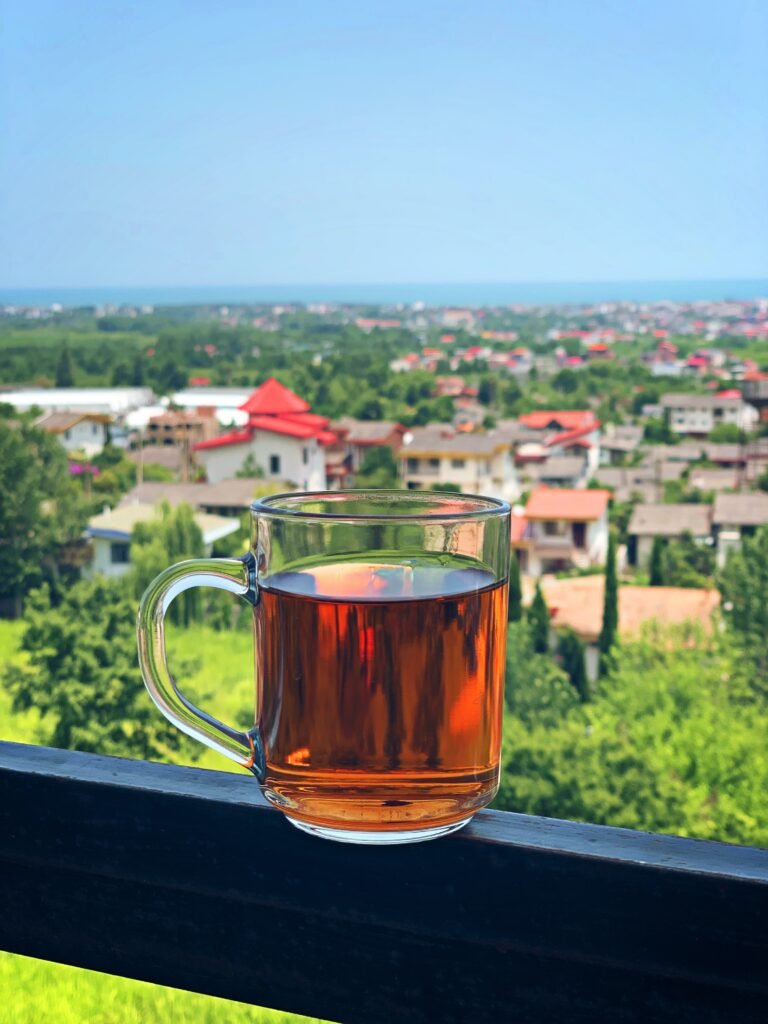
on

In a nation where chai (tea) is more than just a beverage—it’s a culture and a way of life—the Indian tea market stands as a colossal player in the global tea industry. With its rich history, diverse varieties, and enormous consumer base, the Indian tea market’s size, trends, and growth opportunities continue to captivate both local and international stakeholders.Exploring the Indian Tea Market Size, Trends, and Growth Opportunities.

Indian Tea Market Size

Introduction

Tea, an integral part of Indian culture, has been cherished for centuries. From the traditional masala chai on the streets of Mumbai to the elegant Darjeeling brews, tea plays a significant role in the daily lives of millions of Indians. With such cultural reverence, it comes as no surprise that the Indian tea market has evolved into a powerhouse, with far-reaching implications for both domestic and international markets.

Historical Significance of Indian Tea

The history of tea in India dates back to the British colonial era when tea plantations were first established in Assam and Darjeeling. Since then, the industry has expanded exponentially, making India one of the largest tea producers globally. The unique climate and geographical conditions in various regions of the country contribute to the diverse flavors and characteristics of Indian tea.

The Current Landscape of the Indian Tea Market

Steady Demand and Consumption Patterns

Tea is more than a beverage in India; it’s a social and emotional experience. The country boasts a massive population of tea consumers, ensuring a consistent demand that spans generations. From morning pick-me-ups to evening conversations, tea remains an inseparable part of daily routines.

Key Players and Production Regions

The Indian tea market comprises numerous tea estates and producers spread across different states. Assam, West Bengal, Nilgiris, and Darjeeling are prominent regions known for their unique tea offerings. These regions not only cater to the domestic market but also contribute significantly to the global tea trade.

Factors Influencing the Indian Tea Market

Cultural Attachment and Rituals

Tea is interwoven into the cultural fabric of India. It’s a common sight to see tea vendors on street corners, serving tea in small cups, known as “kulhads.” Tea breaks are synonymous with socializing and relaxation, creating a strong emotional bond between consumers and the beverage.

As health awareness grows, many consumers are turning to tea for its potential health benefits. Green tea, herbal infusions, and other variants are celebrated for their antioxidants and potential to promote well-being. This shift in consumer preferences has led to the rise of specialty tea segments.

Global Export and Trade Relations

India’s tea not only satisfies domestic cravings but also travels to international markets. The nation’s strong export relations have positioned Indian tea as a sought-after commodity worldwide. The diversity of flavors and types caters to a broad spectrum of international palates.

Challenges Faced by the Industry

Competition from Alternative Beverages

While tea remains a staple, the industry faces competition from an array of alternative beverages, including coffee, juices, and energy drinks. Adapting to changing consumer preferences while preserving the essence of tea presents a considerable challenge.

Sustainability and Environmental Concerns

Tea production’s environmental impact is a growing concern. From deforestation to chemical usage, the industry faces pressure to adopt sustainable practices. Balancing economic growth with ecological responsibility is an ongoing struggle.

Technological Advancements and Innovation in Tea Production

Modernizing Cultivation Techniques

Advancements in agricultural technology have transformed tea cultivation. From improved irrigation methods to optimized plucking practices, these innovations contribute to higher yields and better-quality tea leaves.

Automation and Processing Methods

In the processing phase, automation has sped up production without compromising on quality. Sorting, grading, and packaging have become more efficient, ensuring that the freshness and flavor of the tea are preserved.

Opportunities for Growth and Expansion

Exploring Organic and Specialty Tea Segments

The global trend towards organic and artisanal products presents an exciting opportunity for the Indian tea market. Specialty teas, such as Darjeeling’s muscatel, command higher prices and cater to a niche audience of discerning tea enthusiasts.

E-Commerce and Digital Marketing

The digital realm offers a new avenue for reaching consumers. E-commerce platforms and social media enable tea companies to connect directly with buyers, offering convenience and personalized experiences.

Government Initiatives and Regulations

The Indian government plays a role in shaping the tea industry through regulations and initiatives. These efforts aim to improve quality, promote sustainability, and ensure fair labor practices within the tea estates.

The Role of Tea in Indian Society Beyond Consumption

Tea has transcended its role as a mere beverage and become a cultural symbol in India. It’s intertwined with traditions, ceremonies, and even religious practices, reflecting its deep-rooted significance in society.

Future Projections for the Indian Tea Market

The Indian tea market is projected to maintain its strong foothold in the beverage industry. As income levels rise and tea continues to adapt to modern preferences, consumption is expected to remain steady.

Potential Global Market Share

With the growing interest in specialty teas and the increasing global awareness of Indian tea’s unique qualities, the country is well-positioned to expand its global market share and contribute further to the international tea trade.

Conclusion

The Indian tea market’s journey from historical roots to modern trends exemplifies its adaptability and resilience. As it navigates challenges and seizes opportunities, the Indian tea industry remains an integral part of the nation’s identity and an ever-evolving participant in the global tea landscape.

FAQs

  1. Is Indian tea only consumed domestically? Indian tea is both consumed domestically and exported to various international markets.
  2. What are some popular Indian tea varieties? India offers a wide range of teas, including Assam, Darjeeling, Nilgiri, and masala chai.
  3. How does tea contribute to India’s economy? Tea production and trade significantly

Contact Details

Calling & Whatsapp No:- 9499347308

Email: info@zirconshop.in

Visit Our Site:-zirconshop.in

Official YouTube Channel For Business :- Zircon Blogs