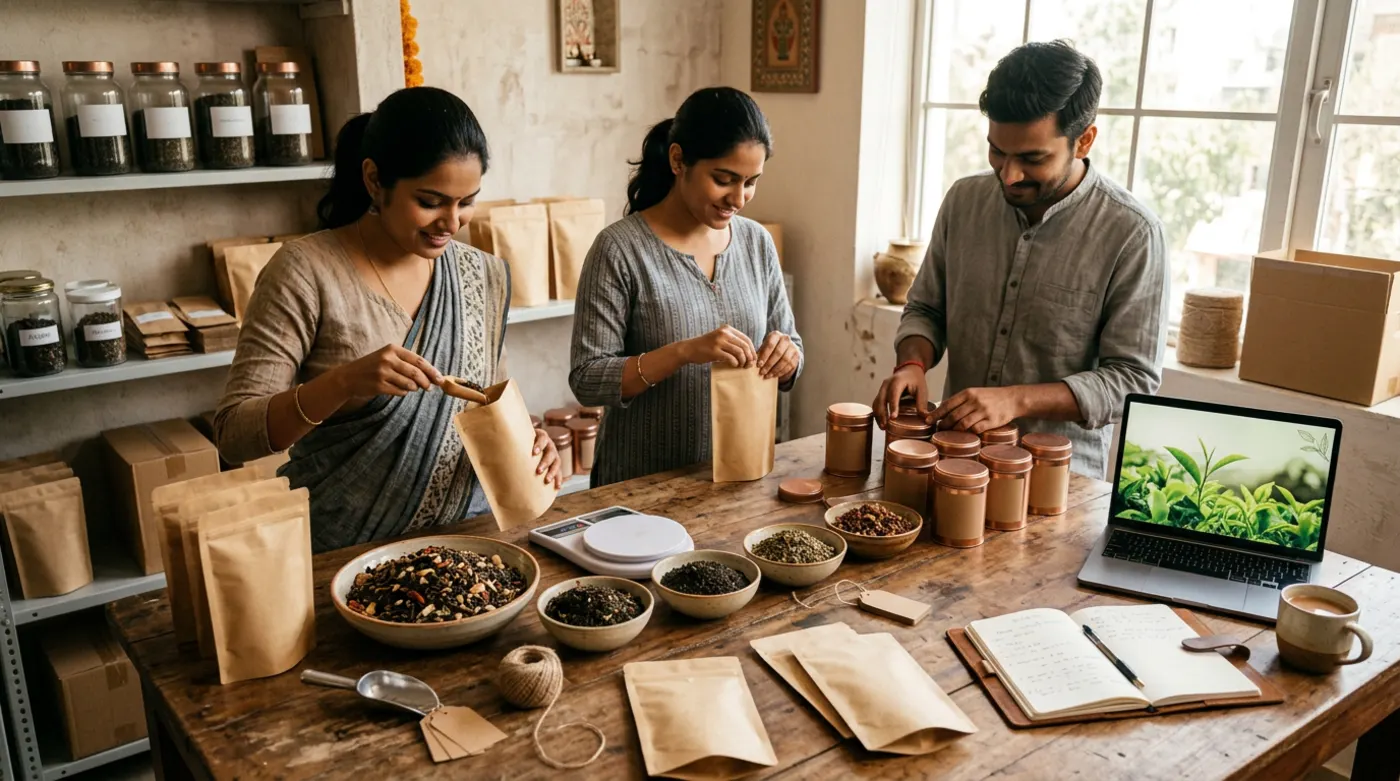
In the realm of commerce and culture, tea stands as a universally cherished beverage. The journey of tea from cultivation to cup is a complex process involving various stakeholders, and at its core lies the practice of tea trading. This article delves into the dynamics of Chai trading, exploring its significance, process, challenges, and its impact on the global economy. Tea Trading: Navigating the Global Tea Market.
- Introduction
- Understanding Tea Trading
- Defining Tea Trading
- Global Reach and Impact
- The Tea Trading Process
- From Plantation to Auction
- Intermediaries and Brokers
- Global Auctions and Markets
- Factors Influencing Tea Prices
- Supply and Demand
- Quality and Grade
- Market Trends
- Challenges in Tea Trading
- Market Volatility
- Quality Assurance
- Sustainability Concerns
- The Economic and Cultural Impact
- Contributions to Economies
- Cultural Exchange
- Future of Tea Trading
- Technological Advancements
- Sustainable Practices
- Conclusion
- FAQs
Introduction
Tea, once treasured as a secret of the East, has emerged as a global phenomenon. At the heart of its journey is the intricate practice of Chai trading.
Understanding Chai Trading
Defining Chai Trading
Chai trading involves the buying and selling of Chai leaves, primarily conducted through auctions, markets, and direct contracts.
Global Reach and Impact
Chai trading transcends borders, connecting tea-growing regions with consumers worldwide, fostering economic growth, and cultural exchange.
The Chai Trading Process
From Plantation to Auction
After cultivation and processing, tea is auctioned where buyers bid for different grades and varieties.
Intermediaries and Brokers
Tea brokers play a crucial role in facilitating transactions, ensuring quality standards, and providing market insights.
Global Auctions and Markets
Prominent Chai auction centers like Mombasa, Kolkata, and Colombo serve as critical trading hubs, influencing prices and trends.
Factors Influencing Tea Prices
Supply and Demand
Fluctuations in supply and demand impact prices, influenced by factors such as weather conditions and geopolitical events.
Quality and Grade
Tea quality and grading systems significantly impact prices, with finer grades commanding premium prices.
Market Trends
Consumer preferences and emerging trends, such as specialty teas and health-driven choices, affect market dynamics.
Challenges in Chai Trading
Market Volatility
Tea prices can be volatile due to various factors, making it a challenging environment for traders.
Quality Assurance
Ensuring consistent quality across batches is a challenge that demands vigilance and quality control mechanisms.
Sustainability Concerns
As consumers demand ethically sourced teas, sustainable and environmentally friendly practices become imperative.
The Economic and Cultural Impact
Contributions to Economies
Chai trade significantly contributes to the economies of producing countries, providing livelihoods and foreign exchange.
Cultural Exchange
Chai trading has historically fostered cultural exchange, enabling people to experience diverse tea traditions.
Future of Chai Trading
Technological Advancements
Technological innovations, such as blockchain, enhance transparency, traceability, and efficiency in the trading process.
Sustainable Practices
The future of Chai trading lies in sustainable practices, responding to consumer demands for ethical and eco-friendly products.
Conclusion
Chai trading serves as the invisible thread connecting tea lovers across the globe, shaping economies, cultures, and consumer experiences.
FAQs
- Are all teas traded through auctions?
- No, while auctions are common, direct contracts and negotiations also play a significant role in tea trading.
- How do tea brokers ensure fair pricing?
- Brokers leverage their industry knowledge and market insights to facilitate fair pricing based on quality and demand.
- What impact does climate change have on Chai trading?
- Climate change can disrupt tea cultivation, affecting supply and potentially leading to price fluctuations.
- Is Chai trading a lucrative business?
- Tea trading can be profitable, but it requires understanding market dynamics, quality assessment, and risk management.
- How does Chai trading contribute to cultural exchange?
- Tea trading exposes people to diverse tea traditions and cultural practices, enriching global understanding and appreciation.
Contact Details:- 9499347308
Visit Our Site:-zirconshop.in
Official YouTube Channel For Business :- Zircon Blogs