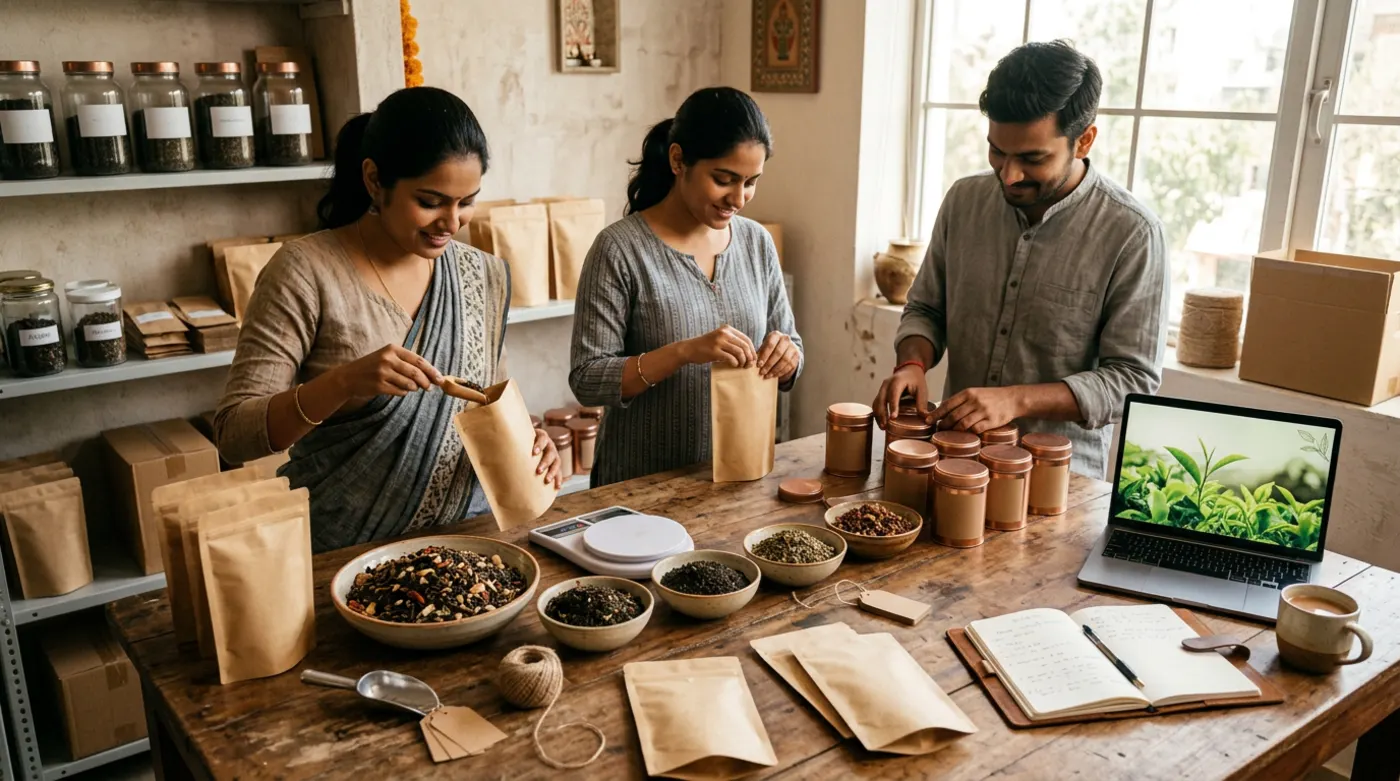
Tea, a simple yet profound beverage, has woven its way through time, cultures, and societies, leaving an indelible mark on human history. This article delves into the captivating journey of tea, tracing its roots, its transformation into a global phenomenon, and its lasting impact on the world. Unraveling the Tapestry of Tea History: From Ancient Origins to Modern Infusions.

- Introduction
- The Beginnings: Ancient Origins of Tea
- Discovery and Early Usage
- Legend of Emperor Shen Nong
- Spread and Evolution of Tea Culture
- Tea’s Journey to Japan and Korea
- The Silk Road Connection
- The Role of Tea in Different Cultures
- Zen and the Japanese Tea Ceremony
- Tea in Chinese Culture
- Tea and British Traditions
- The Birth of Modern Tea Industry
- British Tea Trade and Opium Wars
- Tea Plantations and Global Expansion
- Tea Today: From Traditional to Trendy
- Artisanal and Specialty Teas
- Tea as a Health Elixir
- Tea’s Global Impact
- Economic and Social Influence
- Cultural Exchange and Diplomacy
- Conclusion
- FAQs
Introduction
Tea is more than a beverage; it’s a symbol of serenity, connection, and cultural heritage. Its history spans centuries and continents, intertwining with the stories of civilizations.
The Beginnings: Ancient Origins of Tea
Discovery and Early Usage
Tea’s roots can be traced back to ancient China, where it was initially consumed for medicinal purposes.
Legend of Emperor Shen Nong
The legendary Emperor Shen Nong is said to have discovered tea accidentally, underscoring its healing properties.
Spread and Evolution of Tea Culture
Tea’s Journey to Japan and Korea
Tea made its way to Japan and Korea, evolving into unique cultural practices like the Japanese tea ceremony.
The Silk Road Connection
The Silk Road played a vital role in spreading tea to Central Asia and beyond, fostering cultural exchange.
The Role of Tea in Different Cultures
Zen and the Japanese Tea Ceremony
Tea became an integral part of Japanese culture, exemplified by the meditative and artistic Japanese tea ceremony.
Tea in Chinese Culture
In China, tea is celebrated through traditional ceremonies, literature, and paintings, embodying refinement and elegance.
Tea and British Traditions
Tea’s introduction to England led to the development of iconic British tea traditions, influencing social customs.
The Birth of Modern Tea Industry
British Tea Trade and Opium Wars
The British tea trade led to the Opium Wars, shaping China’s relationship with the West.
Tea Plantations and Global Expansion
Tea plantations emerged in India, Sri Lanka, and Africa, changing the dynamics of the global tea industry.
Tea Today: From Traditional to Trendy
Artisanal and Specialty Teas
The modern tea landscape embraces artisanal teas, crafted with precision and innovation.
Tea as a Health Elixir
Tea’s health benefits have contributed to its popularity, with herbal blends and green tea gaining recognition.
Tea’s Global Impact
Economic and Social Influence
Tea trade and cultivation have shaped economies, providing livelihoods and foreign exchange.
Cultural Exchange and Diplomacy
Tea has played a role in diplomacy, fostering cross-cultural connections and understanding.
Conclusion
The history of tea is a testament to its enduring appeal, transcending time and borders, while uniting cultures in the shared love for this enchanting beverage.
FAQs
- Did tea originate in China?
- Yes, tea is believed to have originated in ancient China, where it was initially used for its medicinal properties.
- What is the significance of the Japanese tea ceremony?
- The Japanese tea ceremony, known as “chanoyu” or “sado,” is a ritualistic practice that reflects harmony, respect, and tranquility.
- How did tea influence British society?
- Tea became an integral part of British society, giving rise to traditions like afternoon tea and influencing social interactions.
- Are there different types of tea?
- Yes, there are various types of tea, including black, green, white, oolong, and herbal, each with its unique flavor profile and benefits.
- How has tea’s role in diplomacy been significant?
- Tea has been used as a diplomatic tool, facilitating discussions and negotiations between cultures and nations.
Contact Details:- 9499347308
Visit Our Site:-zirconshop.in
Official YouTube Channel For Business :- Zircon Blogs